Understanding Driveway Cleaning
What is Driveway Cleaning?
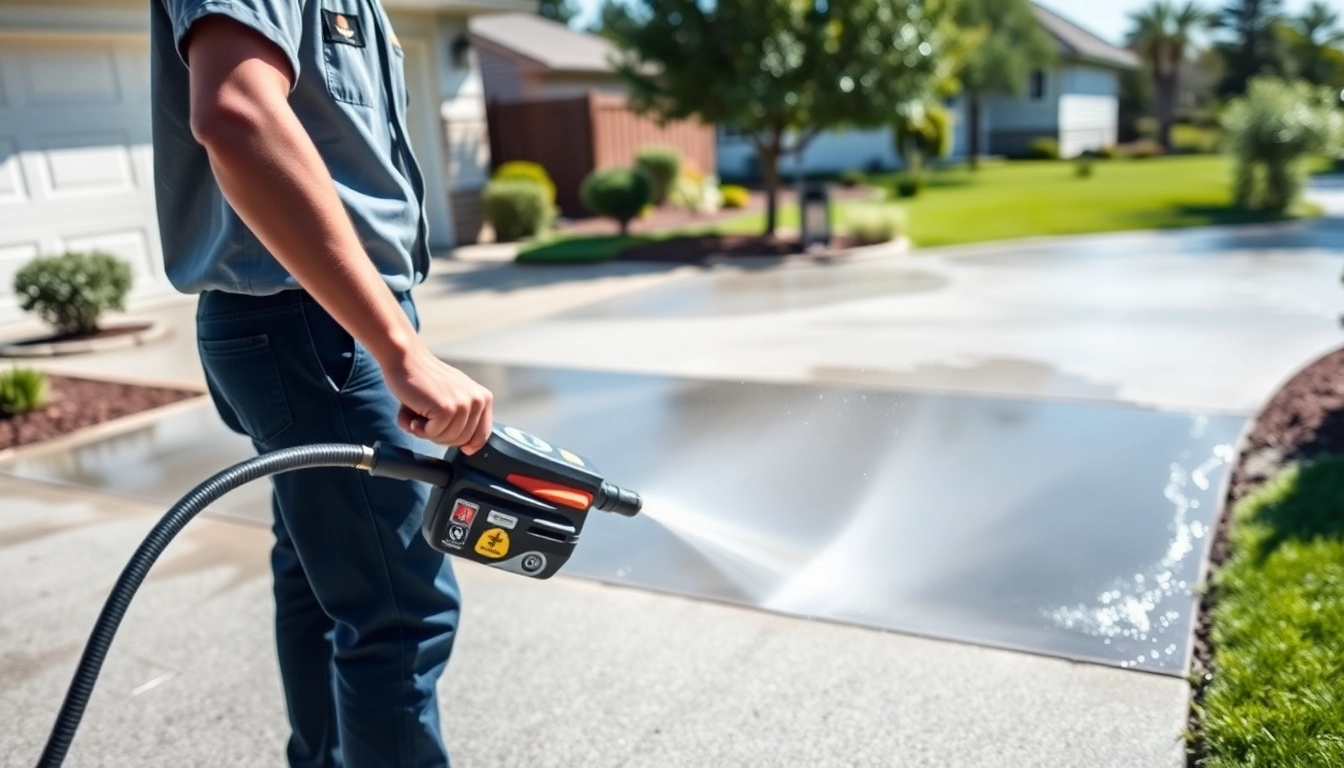
Driveway cleaning refers to the specialized process of removing dirt, stains, mildew, and other contaminants from the surface of driveways. The cleaning can be executed using various methods, with pressure washing being the most common due to its efficiency and effectiveness. The primary goal is to restore the driveway to its original condition, enhancing its appearance and prolonging its lifespan.
Importance of Regular Driveway Cleaning
Regular driveway cleaning is crucial for several reasons. Firstly, it significantly enhances the curb appeal of your property, which is essential if you plan to sell or rent. Secondly, accumulated dirt and stains can lead to surface degradation over time, increasing repair costs. Additionally, a clean driveway contributes to the overall hygiene of your property by preventing mold and algae growth. Engaging in frequent driveway cleaning can save money and improve the aesthetic appeal of your home.
Types of Driveway Surfaces
Driveways come in various materials, each requiring a different approach for cleaning:
- Concrete: Durable and versatile, concrete driveways often require pressure washing to remove tough stains.
- Asphalt: While also durable, asphalt requires gentle cleaning methods to prevent damage from high pressure.
- Gravel: Cleaning gravel driveways involves raking and washing but is generally simpler than concrete or asphalt.
- Pavers: These require specific cleaning techniques to maintain the integrity of the individual stones.
Benefits of Professional Driveway Cleaning
Enhances Curb Appeal
A pristine driveway immediately elevates the overall look of a property. Whether you are hosting guests or potential buyers, the first impression matters immensely. Professional driveway cleaning ensures that your driveway is free of stubborn stains and dreary patches, making your whole property appear well-cared-for.
Prevents Surface Damage
Regular cleaning helps to prevent damage caused by algae, mold, and other dirt buildup. These elements can eat away at specific surfaces if unchecked, causing expensive repairs in the long run. Professional-grade cleaning techniques remove these hazards without compromising the integrity of the driveway material.
Cost-Effective Long-Term Solutions
Investing in professional driveway cleaning provides long-term savings. By maintaining a clean surface, you can avoid costly repairs that might arise from neglect. Additionally, properly cleaned driveways may last longer, reducing the need for early replacement.
DIY Driveway Cleaning: Step-by-Step Guide
Tools and Equipment Needed
If you decide to undertake driveway cleaning yourself, having the right tools is essential. Here’s a list of what you’ll need:
- Pressure washer (at least 1500 PSI recommended)
- Stiff-bristle broom
- Cleaning solution compatible with driveway material
- Protective gear (gloves, goggles, mask)
- Garden hose and nozzle
Effective Cleaning Solutions
Selecting the right cleaning solution is critical for effective driveway cleaning. For general cleaning, a mixture of water and mild detergent may suffice. For tougher stains, you might need specialized solutions containing bleach or commercial degreasers. Always ensure the product is safe for your specific driveway material.
Safety Precautions to Consider
Safety should be your top priority when cleaning your driveway. Here are essential precautions to take:
- Wear protective gear to shield yourself from chemicals and debris.
- Ensure adequate ventilation if using strong cleaning products.
- Test the pressure washer settings before full use to avoid surface damage.
- Be cautious of slippery surfaces post-cleaning.
Common Driveway Stains and Their Solutions
Oil and Grease Stains
Oil and grease stains are a frequent problem, often caused by vehicle leaks. To tackle these, start by applying a mixture of baking soda and vinegar. Allow it to sit for a while before scrubbing with a stiff-bristle brush and rinsing off with a high-powered pressure washer.
Mold and Mildew Issues
Areas with little sunlight are prone to mold and mildew, especially in humid climates. A mixture of water and bleach can effectively remove the spores. Use a pressure washer after applying the solution to thoroughly clean the area and prevent regrowth.
Rust Stains from Lawn Equipment
Rust from lawn equipment can leave unsightly stains on driveways. For these, a commercial rust remover or a homemade solution made from lemon juice and baking soda can work wonders. Apply, scrub gently, and rinse thoroughly.
Maintaining Your Driveway After Cleaning
Regular Maintenance Tips
Post-cleaning maintenance includes sealing your driveway to protect against stains and moisture infiltration. Annual inspections for cracks and immediate repairs can also help preserve integrity. Additionally, regular sweeping to remove leaves and debris can prevent buildup.
Signs Your Driveway Needs Cleaning
Look for visible signs that suggest it's time for cleaning: discoloration, visible stains, cracks due to moisture infiltration, or the presence of mold and mildew. If your driveway appears dull or you notice the accumulation of dirt, it’s time to schedule a cleaning.
Choosing the Right Season for Driveway Cleaning
The best times to clean your driveway are typically in the spring and fall. This ensures that any winter debris is removed, and the hot summer sun allows for rapid drying post-cleaning. Additionally, avoid cleaning during rainy seasons to maintain the effects of the cleaning process.
FAQs About Driveway Cleaning
How much should driveway cleaning cost?
Driveway cleaning costs typically range between $0.30 and $0.55 per square foot. Factors like the driveway's material, size, and condition can influence the overall price.
What is the best method for cleaning a driveway?
The most effective method is pressure washing as it removes dirt, stains, and grime quickly and thoroughly, especially for concrete and asphalt surfaces.
Can I use bleach to clean my driveway?
Yes, bleach can be used to tackle mold and mildew but always dilute it and perform a test on a small area first to avoid damaging the driveway surface.
How often should I clean my driveway?
It is recommended to clean your driveway at least once a year, with additional cleanings based on its condition, such as after heavy rain or snowfall.
Is it better to hire professionals or do it myself?
While DIY cleaning can save money, hiring professionals ensures thorough cleaning without the risk of damaging the surface. They also have access to commercial-grade equipment.
For a comprehensive approach to your driveway cleaning, consider all these factors to ensure your driveway remains in excellent condition for years to come.