Understanding SHASHEL®: The Science Behind Microwave Treatment
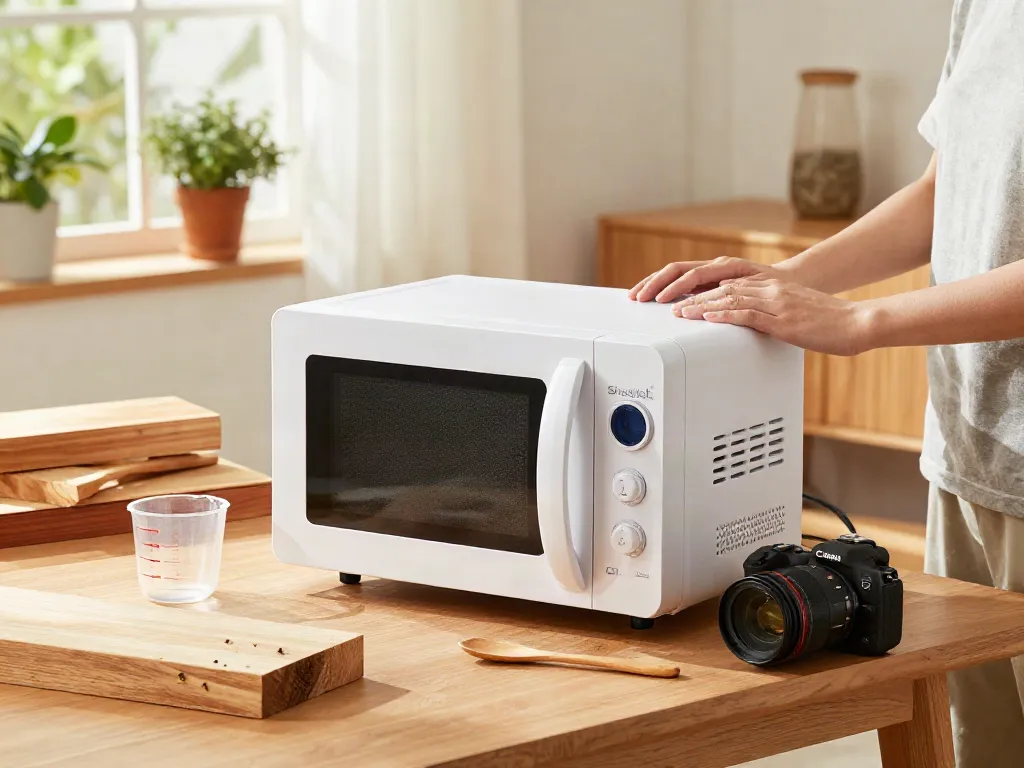
The emergence of SHASHEL® technology marks a revolutionary advancement in the fight against wood-boring insects. These pests, often hidden from sight, can cause significant damage to wooden structures and furniture, leading to costly repairs. With the growing focus on eco-friendly solutions, SHASHEL® offers a chemical-free alternative that leverages the power of microwave energy to eliminate infestations effectively.
What is SHASHEL® Technology?
SHASHEL® technology is engineered to combat wood-boring insects such as woodworms and powder post beetles using microwave radiation. This technology penetrates deeply into the wood, ensuring that not only adult insects but also larvae and eggs are eradicated. Unlike traditional methods that often rely on harsh chemicals, SHASHEL® is designed to minimize environmental impact while maximizing effectiveness.
How Microwave Treatment Works on Wood-Boring Insects
The microwave treatment process works by targeting the moisture content within wood. Wood-boring insects thrive in moist environments, and by rapidly heating the wood through microwave energy, SHASHEL® essentially dehydrates these pests, effectively killing them. This method is not only safe for the wood structure itself but also for the surrounding environment.
Benefits of Choosing SHASHEL® Over Traditional Methods
- Speed: SHASHEL® can eliminate infestations in just a few minutes, making it a highly efficient solution.
- Chemical-Free: The process does not involve toxic substances, ensuring safety for both humans and pets.
- Deep Penetration: Unlike surface treatments, SHASHEL® penetrates deeply into the wood, addressing hidden infestations.
- Versatility: Effective on various wood types and applicable in multiple settings, including homes and commercial spaces.
Identifying Wood Infestations: Signs and Symptoms
Identifying a wood infestation early is crucial for successful treatment. Wood-boring insects often leave telltale signs that can indicate their presence. Knowing these signs can help homeowners take action before the damage escalates.
Common Signs of Woodworm Infestation
- Exit Holes: Small holes in wood surfaces are often the first sign of an infestation.
- Frass: This is the sawdust-like excrement left behind by wood-boring insects, often found near exit holes.
- Damaged Wood: Structural weakening or signs of decay may be present, indicating prolonged infestations.
How to Inspect Your Home for Insect Damage
To effectively manage potential infestations, homeowners should carry out regular inspections. Check wooden furniture, beams, and flooring for any signs of damage or insect activity. Pay particular attention to dark or damp areas where these insects might thrive.
When to Consider Treatment with SHASHEL®
If signs of infestation are apparent or if you suspect that wood in your home may be affected, it’s prudent to consider treatment with SHASHEL®. Early intervention can save time and costs associated with more extensive repairs.
Using the SHASHEL® Device: A Step-by-Step Guide
Using the SHASHEL® device is straightforward, but proper setup and operation are essential to ensure effective treatment. This section outlines the key steps involved in successfully employing SHASHEL® technology.
Setting Up Your SHASHEL® Treatment Space
- Ensure the treatment area is clear of obstructions.
- Measure the wood or area to be treated to determine the appropriate SHASHEL® settings.
- Monitor safety precautions, ensuring that pets and children are kept at a safe distance from the treatment area.
Operating the Device: Best Practices
Familiarize yourself with the SHASHEL® user manual before operating the device. Follow the recommended settings for the specific type of wood and severity of infestation. Regularly check temperature readings to avoid overheating.
Post-Treatment: How to Verify Effectiveness
After treatment, it’s essential to inspect the wood for any remaining signs of infestation. Look for new frass or exit holes, and consider scheduling follow-up treatments if necessary. Proper verification ensures that the infestation has been entirely eliminated.
Ensuring Long-Term Wood Protection
After successfully treating an infestation, the next step is to implement measures to prevent future occurrences. Protecting your wood investments is crucial to maintaining their integrity and value.
Strategies for Preventing Future Infestations
- Maintain Low Humidity: Wood-boring insects prefer damp environments, so maintaining lower humidity levels is key.
- Regular Inspections: Conduct routine checks on wooden structures to catch early signs of infestation.
- Sealing Wood: Use protective coatings to create a barrier against potential pests.
Maintenance Tips for Furniture and Structures
Regular maintenance of wooden furniture and structures can extend their life and ward off infestations. Clean surfaces regularly and ensure that any spills are dried promptly to minimize moisture.
When to Schedule Professional Inspections
If you suspect an infestation or want peace of mind regarding the integrity of your wood structures, consider scheduling a professional inspection. Experts can offer comprehensive assessments and recommend tailored treatment plans.
Future Trends in Wood Treatment Technologies (2026 and Beyond)
The landscape of pest control and wood treatment is evolving, with innovations paving the way for more effective and sustainable solutions. As we look ahead to 2026, several trends are becoming apparent.
Innovations in Chemical-Free Pest Control
The demand for eco-friendly pest control methods is on the rise. Technologies like SHASHEL® are leading the charge, with advancements that improve efficiency while minimizing environmental impact. Expect to see greater integration of technology that utilizes natural pest deterrents alongside microwave treatments.
The Rise of Eco-Friendly Wood Treatment Solutions
As awareness about environmental sustainability increases, many consumers are seeking wood treatment solutions that align with their values. SHASHEL® fits this criterion, promising both effectiveness against pests and a commitment to safety for the environment.
Future Outlook for the SHASHEL® Brand
With an emphasis on innovation and sustainability, the SHASHEL® brand is poised for growth. As more people become aware of the risks posed by wood-boring insects and the advantages of microwave technology, SHASHEL® could become the go-to solution for wood treatment across various industries.
What types of wood-boring insects can SHASHEL® eliminate?
SHASHEL® is effective against a range of wood-boring insects, including woodworms, powder post beetles, and house longhorn beetles. This versatility makes it a valuable tool for homeowners and professionals alike.
Is SHASHEL® safe for use in homes with pets or children?
Yes, one of the main benefits of SHASHEL® technology is its chemical-free nature, making it safe for environments with pets and children. Nevertheless, it is advisable to keep them away from the treatment area during operation.
How long does the treatment process take with SHASHEL®?
The treatment process with SHASHEL® is remarkably quick, typically taking only a few minutes to eliminate infestations. This efficiency is a significant advantage over traditional methods which may require longer exposure times.
Can SHASHEL® be used on antique wooden furniture?
Yes, SHASHEL® is suitable for treating antique wooden furniture. However, caution should be exercised, especially with highly valuable pieces. Conducting a test on a less visible area is recommended to ensure no adverse effects.
What should I do if I notice signs of infestation after treatment?
If signs of infestation persist after treatment, it is essential to re-evaluate the area and possibly re-treat using SHASHEL®. Persistent issues may indicate undetected infestations or external sources of infestation.