Understanding the Attractive Test: What You Need to Know
In a world increasingly driven by visual interactions, understanding one's attractiveness can be both intriguing and enlightening. The attractive test has emerged as a popular tool for those curious about how they measure up against societal beauty standards. But what exactly is an attractiveness test, and why do people feel compelled to participate in them? This article delves deep into the mechanics and implications of attractiveness tests, offering insight into their significance, various types, and their implications for personal development and social interactions.
What is an Attractive Test?
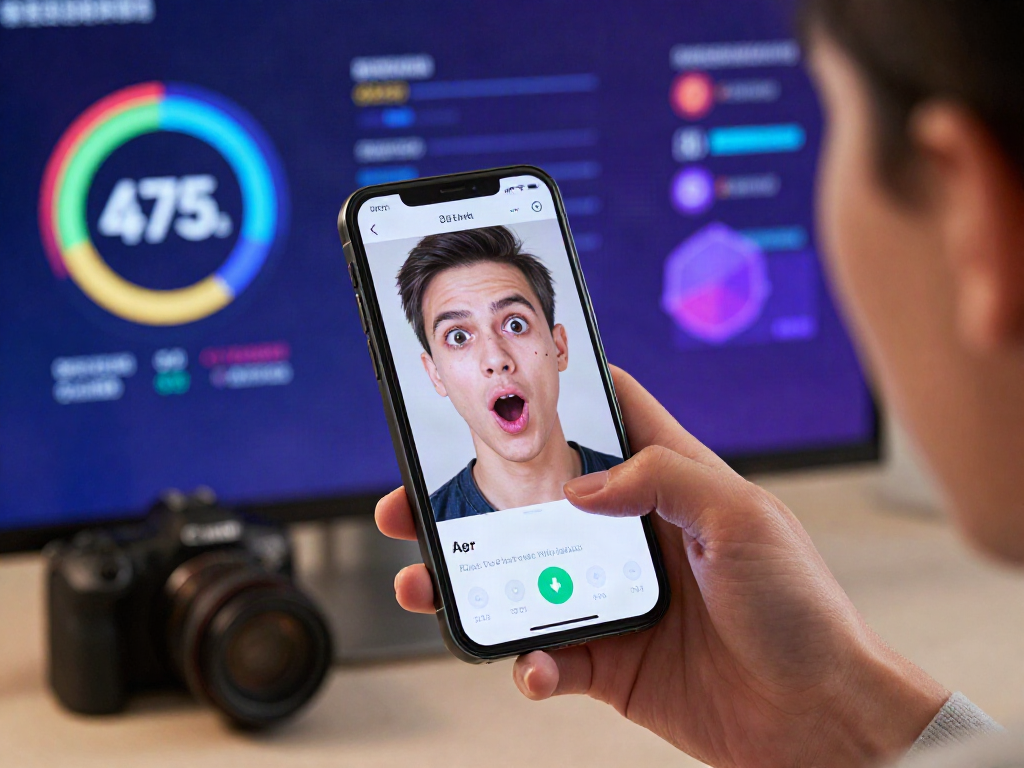
An attractiveness test is a digital tool that evaluates facial features to provide an assessment of perceived beauty or attractiveness. Typically, these tests use algorithms powered by artificial intelligence (AI) to analyze various attributes such as facial symmetry, proportions, and other beauty criteria that are often associated with societal standards of attractiveness. Users upload their photos, and the system evaluates the images against a set of parameters derived from ideal beauty standards. The result can range from numerical scores to qualitative feedback.
How Attractive Tests Work
Most attractiveness tests leverage advanced AI technology, which can detect hundreds of facial landmarks. By measuring the distances between these points, the algorithm can determine symmetry, facial ratios, and other elements that contribute to perceived attractiveness. The underlying principles often reference the golden ratio, a mathematical ratio that has been historically associated with aesthetic beauty. Results are then synthesized into scores or profiles that can help users understand how their features align with common beauty ideals.
Different Types of Attractive Tests Available
- AI Face Scanners: These tests require users to upload selfies, and the AI analyzes multiple aspects such as skin quality, facial symmetry, and expressiveness.
- Online Quizzes: Often more subjective, these tests ask users to rate their own features against a set of predefined beauty questions.
- Mobile Applications: Applications that allow users to analyze their attractiveness on-the-go, often including social sharing features.
- Third-party Review Systems: Some platforms allow users to receive ratings from others, adding a social dimension to the assessment.
Evaluating Popular Attractive Test Tools
Top Free Attractive Test Platforms
Numerous platforms offer free attractiveness tests, with varying degrees of sophistication and reliability. Popular tools include AI Attractiveness Test, which provides a straightforward interface for users to upload photos and receive immediate evaluations. Another notable mention is The Face Report, which analyzes images against 478 facial landmarks, allowing for a thorough assessment of symmetry and proportions.
Paid Services and Their Benefits
While many free tests can offer a general idea of attractiveness, paid services often provide deeper analysis and more personalized feedback. These platforms typically feature enhanced algorithms that provide a more comprehensive evaluation, alongside comparative analytics against demographic data. Users might find these services beneficial for specific applications such as dating sites, casting calls, or personal branding efforts.
User Reviews and Testimonies
User feedback can be invaluable when choosing an attractiveness test. Many individuals report mixed reactions to their assessments—while some find the results uplifting, others feel disheartened. This range of responses highlights the subjective nature of beauty and emphasizes the importance of viewing test results as one of many indicators of attractiveness rather than definitive measures.
Understanding Beauty Standards in Attractive Tests
The Role of AI in Assessing Attractiveness
AI plays a crucial role in the modern interpretation of beauty. By leveraging vast datasets that reflect cultural beauty norms, AI can identify patterns that define attractiveness. However, it is essential to recognize that these models may inadvertently perpetuate biases inherent in the data they are trained on. Thus, while AI can provide a framework for understanding attractiveness, it’s vital to approach its conclusions critically.
Cultural Influences on Beauty Perception
Beauty is not universally defined; it is deeply influenced by cultural contexts. Standards of beauty can vary markedly between different societies and historical periods, with certain features celebrated in one culture being less valued in another. Understanding these cultural influences is essential for interpreting the results of attractiveness tests accurately and empathetically.
Common Misconceptions About Attractiveness
Many misconceptions surround attractiveness and beauty tests. One common myth is that beauty can be quantified accurately through algorithms alone. Despite the predictive capabilities of AI, attractiveness encompasses a wide range of elements, including personality, confidence, and social skills, none of which can be measured through facial analysis alone.
Practical Applications of Attractive Tests
Using Attractive Tests for Personal Growth
Attractiveness tests can serve as valuable tools for self-reflection and personal growth. By understanding how one's features align with societal standards, individuals may gain insights into their self-image and confidence. This information can be particularly useful for those seeking to improve their personal branding or enhance their public presence.
Social Media and Its Impact on Self-Image
In the age of social media, the pressure to conform to certain beauty standards has never been higher. Attractiveness tests can become an external validation tool where users seek approval based on algorithms and peer review. However, it's crucial to strike a balance between online perceptions and real-life interactions, as overly relying on external validation can lead to detrimental effects on self-esteem.
Attractiveness Tests in Professional Settings
Attractiveness tests are also finding their way into professional environments, particularly in industries where physical appearance can impact success, such as entertainment and marketing. Individuals looking to enter these fields may utilize attractiveness assessments for personal branding strategies, helping them to curate their public personas effectively.
Future Trends in Attractiveness Testing for 2026
Innovations in AI and Beauty Assessment
Looking to the future, the landscape of attractiveness testing is poised for transformation. Innovations in AI are likely to yield even more sophisticated assessment tools capable of analyzing emotional expressions and personality traits alongside physical features. This holistic approach could redefine how beauty and attractiveness are understood in the years to come.
Changing Attitudes Towards Attractiveness
As societal norms evolve, so too do the attitudes towards attractiveness. A growing emphasis on diversity and self-acceptance is challenging traditional beauty standards. This shift will likely impact the design and functionality of attractiveness tests, prompting them to incorporate a broader range of beauty definitions.
Implications for Personal Branding and Influencer Culture
In an era where personal branding is paramount, especially for influencers, attractiveness tests may become essential tools for individuals aiming to optimize their public image. This evolution necessitates a deep understanding of both technology and human psychology, paving the way for more nuanced and empathetic approaches to beauty and self-presentation.
What are the most popular attractive tests?
Several tools have gained widespread popularity due to their ease of use and engaging formats, such as Beauty AI and Face Plus. These platforms offer interactive experiences that attract users and provide diverse feedback regarding their appearances.
How accurate are attractiveness tests?
The accuracy of attractiveness tests varies significantly based on the algorithms used and the data they rely on. While some tests may provide entertaining insights, they should not be considered definitive assessments of one's beauty.
Can attractive tests impact self-esteem?
Yes, attractiveness tests can have profound effects on self-esteem. Users may experience an array of emotions based on their results, from validation to disappointment. It’s essential to approach these tests with an understanding of their subjective nature.
Are there ethical concerns with attractiveness tests?
Indeed, ethical issues arise concerning privacy, data use, and the potential to reinforce harmful beauty standards. Users should remain aware of how their data is being utilized and the implications of labeling individuals based on their appearances.
How to choose the best attractive test for you?
Choosing the most suitable attractiveness test involves considering the purpose behind taking the test. Individuals seeking informal insights might prefer free, entertaining quizzes, while those looking for professional development may opt for comprehensive paid services that offer detailed feedback.