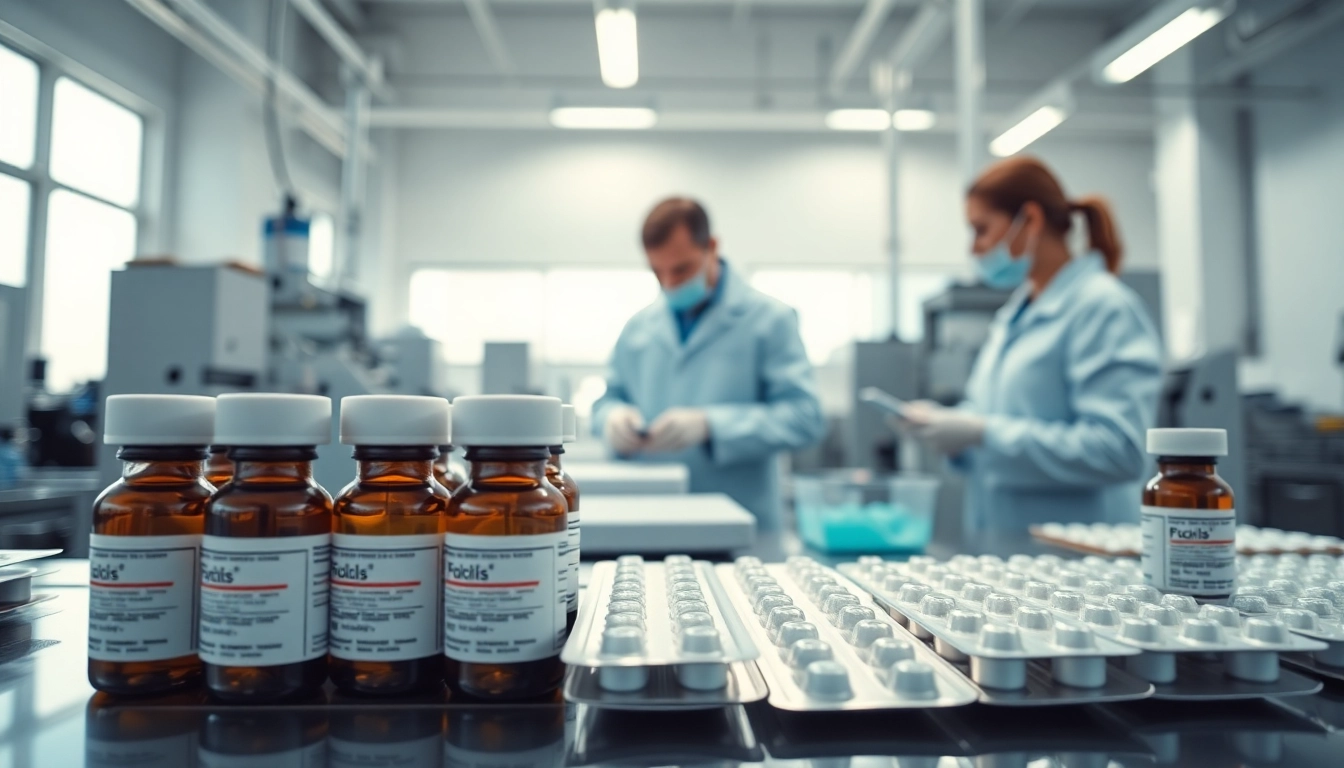
The Importance of Pharmaceutical Packaging Services
Pharmaceutical packaging services play a critical role in ensuring that medications are stored, transported, and presented safely while complying with stringent regulatory requirements. In an industry where every detail counts, the significance of investing in effective packaging solutions cannot be overstated. The right packaging not only protects the integrity of the product but also enhances brand visibility and consumer trust. By focusing on reliable pharmaceutical packaging services, companies can align their operations with industry demands and consumer expectations.
Understanding Regulatory Requirements
One of the most crucial aspects of pharmaceutical packaging is compliance with regulatory standards set by authorities such as the FDA. These regulations dictate the materials and methods that can be employed in packaging to ensure safety, efficacy, and quality. Understanding these requirements helps packaging service providers offer solutions that adhere not only to national standards but also to international guidelines.
For instance, primary packaging materials must often demonstrate that they do not interact adversely with the drug they contain. Failure to comply damages not just the product’s safety but also the company's reputation and bottom line. Thorough knowledge in this area allows service providers to mitigate risks and avoid costly recalls or legal issues.
Enhancing Drug Safety and Efficacy
Effective packaging safeguards pharmaceuticals from environmental factors like moisture, light, and temperature changes that could affect their stability. Moreover, advanced packaging technologies such as blister or child-resistant packaging enhance drug safety. These specialized systems act as barriers, ensuring that the product remains unaltered until it reaches the end-user.
Additionally, effective packaging integrates features that help prevent medication errors, such as clear labeling and dosing instructions. In promoting safer medication use, both the packaging service provider and pharmaceutical companies enhance overall patient outcomes, which is a shared goal within the industry.
Consumer Engagement and Branding
Pharmaceutical packaging is not just functional; it’s also a vital component of branding and marketing strategies. Innovative designs, colors, and materials can create strong brand identities and influence consumer perception. Engaging packaging can communicate the quality and reliability of a product, impacting a consumer’s purchasing decision.
Moreover, authentication features like QR codes or holograms can engage consumers and offer assurance regarding the product’s authenticity. This integration between marketing and packaging is a growing trend, as customers increasingly seek assurance of the credibility of the medications they use.
Types of Pharmaceutical Packaging Services Available
Primary Packaging Materials
Primary packaging involves direct contact with the pharmaceutical product and includes options like bottles, vials, blister packs, and ampoules. The choice of material—glass, plastic, or metal—depends on the product’s sensitivity and requirements. For example, while glass provides excellent protection against oxygen and moisture, plastics may offer lighter alternatives with varied closure systems.
Companies often opt for multi-dose packs or unit-dose packaging, depending on their distribution channels and market demands. The flexibility of primary packaging options can significantly affect logistics and fulfillment processes, making this decision pivotal in the product lifecycle.
Secondary Packaging Solutions
Secondary packaging serves as a façade to primary packages, providing protection during transportation and additional branding opportunities. Solutions can include cartons, shrink wraps, and labels. This layer often carries crucial information, including usage instructions, safety warnings, and regulatory compliance details.
Secondary packaging is instrumental in maintaining product integrity through the supply chain, ensuring that pharmaceuticals reach retailers or healthcare providers without damage. Furthermore, it enables easier handling and organization in pharmacies and hospitals.
Specialized Packaging Techniques
As the marketplace evolves, specialized packaging techniques have emerged to meet diverse requirements. Smart packaging, for instance, incorporates technology like indicators that reveal the product's freshness or conditions affecting stability. This innovation serves both manufacturers and consumers, providing real-time insights that support proactive handling and usage.
Child-resistant packaging is another critical development, particularly for medications that pose risks to children. Employing mechanisms that require certain actions to access the product can be life-saving, highlighting how packaging serves a protective function beyond simple containment.
Best Practices in Pharmaceutical Packaging Services
Quality Control Measures
Quality control is paramount in pharmaceutical packaging services to ensure that every package meets the required standards. This can involve visual inspections, automated systems for detecting defects, and rigorous testing procedures to evaluate the physical and chemical stability of materials.
Implementing a stringent quality management system not only safeguards against non-compliance but also boosts operational efficiency. Regular training and audits can further enhance quality assurance practices and build a strong culture of accountability within packaging operations.
Sustainability in Packaging
With growing environmental concerns, sustainability has become a critical consideration in pharmaceutical packaging. Companies are increasingly turning to biodegradable materials, reduced packaging sizes, and recyclable options to minimize waste and environmental impact.
Sustainable practices not only align with consumer preferences but also comply with emerging regulations aimed at curbing environmental harm. Therefore, investing in environmentally friendly packaging strategies can strengthen brand loyalty and appeal to a broader audience.
Innovations in Packaging Technologies
The packaging industry continually innovates with new technologies such as automation, AI, and IoT. Automated lines improve efficiency and reduce human error, while IoT capabilities allow for remote monitoring of packaging conditions, ensuring compliance and product safety.
Moreover, innovations like 3D printing enable customized packaging designs that were previously impractical or too costly to produce. Embracing these advancements equips companies to adapt to fast-changing market demands and consumer preferences.
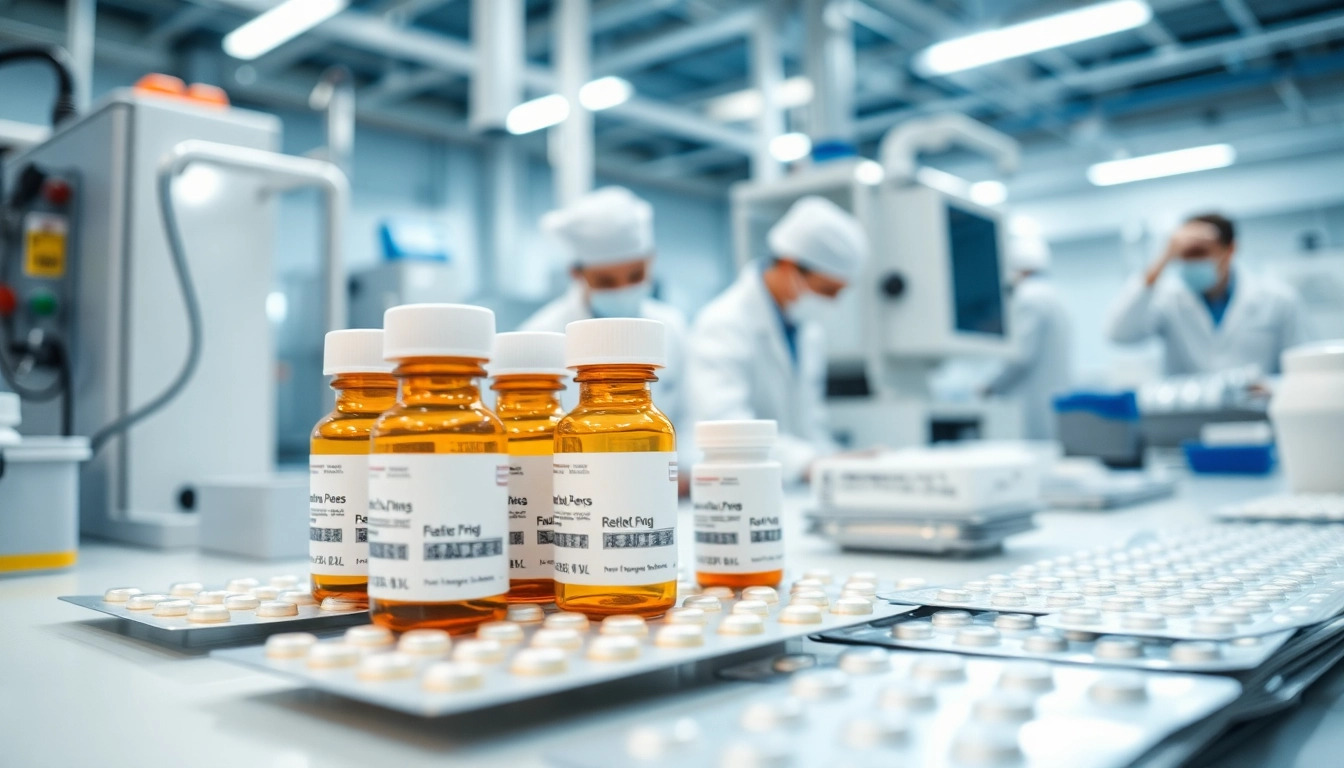
Challenges in Pharmaceutical Packaging Services
Meeting Compliance Standards
Maintaining compliance with regulations poses significant challenges. The complexity of differing local and international laws can overwhelm companies, particularly those entering new markets. Continuous education about evolving regulations is paramount for compliance and risk management.
A comprehensive compliance strategy, involving consultation with regulatory experts and investment in technology that tracks changes, can help simplify this complexity. It also safeguards against penalties and ensures that products remain marketable.
Handling Supply Chain Issues
Supply chain disruptions can significantly affect the availability of essential packaging materials and components. Challenges may arise from natural disasters, geopolitical tensions, or global crises, which can ripple through the pharmaceutical sector.
Establishing relationships with multiple suppliers can serve as a buffer against disruptions. Companies should also invest in supply chain resilience through risk assessments and contingency planning to ensure that operations can continue smoothly even when unexpected challenges arise.
Adapting to Market Changes
The pharmaceutical industry is highly dynamic, with continual advancements in therapies and changes in consumer behavior. Companies must remain agile and continuously assess the effectiveness of their packaging solutions to adapt to these shifts.
Regular feedback loops from market research can guide timely alterations to packaging strategies. Incorporating emerging trends can elevate a company’s competitive edge, making it essential to embrace innovation proactively.
Future Trends in Pharmaceutical Packaging Services
Smart Packaging Technologies
The evolution of smart packaging technologies presents exciting advancements for pharmaceuticals. Incorporating sensors can monitor environmental factors affecting product integrity. For example, temperature and humidity sensors could alert consumers to deviations from optimal conditions.
This data can enhance transparency and ensure the medication's reliability while also reducing waste by providing real-time insights into product viability.
Personalized Medicine Packaging Solutions
As personalized medicine gains traction, packaging solutions must evolve to accommodate tailored therapies. Custom packaging can facilitate the delivery of unique dosing regimens or packaging designs that reflect patient-specific needs.
By integrating flexibility into their offerings, companies can foster better patient compliance and distinctive marketing opportunities that resonate with consumers.
Global Packaging Strategies
As pharmaceuticals continue to reach global markets, effective packaging solutions must consider cultural preferences, language differences, and local regulations. Developing global packaging strategies ensures that products resonate with diverse consumer bases while adhering to compliance and safety norms.
Robust global logistics systems must accompany these strategies to guarantee timely delivery and preservation of product integrity across different territories.
Frequently Asked Questions
What types of materials are used in pharmaceutical packaging?
Common materials include glass, plastic, metal, and biodegradable options, chosen based on compatibility with the drug and regulatory standards.
How does packaging impact drug storage?
Proper packaging protects against environmental factors, ensuring that drugs remain effective and safe throughout their shelf life.
What is smart packaging?
Smart packaging incorporates technology like sensors to monitor environmental conditions, providing information on product integrity and freshness.
How can companies ensure compliance?
Companies should maintain up-to-date knowledge of regulations, implement quality management systems, and conduct regular training for employees in compliance protocols.
Why is sustainability important in packaging?
Sustainable packaging reduces environmental impact and aligns with consumer preferences, often improving brand loyalty and compliance with regulations.