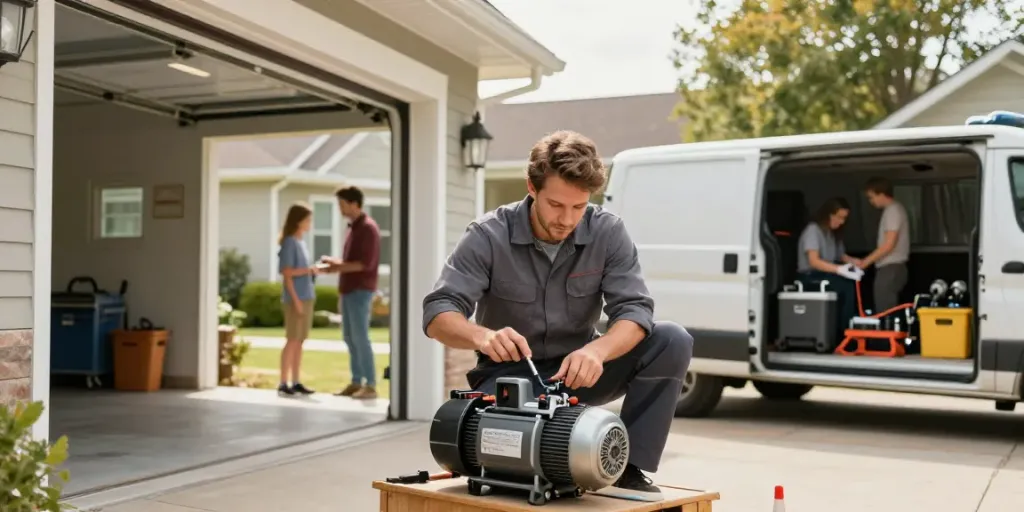
Understanding Garage Door Motor Replacement
Garage door motors are essential components that enable the smooth operation of your garage door, allowing it to open and close effortlessly. However, like all mechanical devices, they have a lifespan and can develop faults over time. Understanding how garage door motors work and knowing when to replace them can save you time, money, and stress in the long run. If you're considering a garage door motor replacement, this guide will provide you with comprehensive insights.
What Is a Garage Door Motor?
A garage door motor, also known as a garage door opener, is an electric device that controls the movement of your garage door. It operates using electrical energy to engage a drive mechanism, which can be a chain, belt, or screw drive, to lift or lower the door. Garage door motors are available in various types and horsepower ratings, suitable for different door sizes and weights.
Signs You Need a Replacement
There are several indicators that your garage door motor may need replacing:
- Unusual Noises: Grinding, squeaking, or rattling noises during operation can signal internal issues.
- Door Doesn't Move: If the motor runs but the door does not move, it might indicate a stripped gear or other mechanical failure.
- Inconsistent Operation: If the door opens or closes intermittently, the motor may be malfunctioning.
- Age of the Motor: Most garage door motors have an average lifespan of 10-15 years; if yours is older, it may be time to replace it.
Types of Garage Door Motors Available
Garage door motors come in several types, each suitable for different garage door designs and sizes:
- Chain Drive Motors: These are the most common and are known for their strength and reliability, making them ideal for heavy doors.
- Belt Drive Motors: Quieter than chain drives, these motors use rubber belts to lift the door, making them suitable for attached garages.
- Screw Drive Motors: These motors have fewer moving parts, making them low maintenance, but they may struggle with heavy doors.
- Direct Drive Motors: The motor itself moves along the track, providing silent operation and minimal maintenance.
Key Factors to Consider in Garage Door Motor Replacement
Motor Compatibility with Your Door Type
Before replacing your garage door motor, it's crucial to consider compatibility with your existing garage door. Ensure that the new motor is rated for the weight and size of your door. A professional can help assess this if you're unsure.
Energy Efficiency Ratings Explained
Choosing an energy-efficient garage door motor can lead to cost savings on your energy bills over time. Look for models with higher energy efficiency ratings, which can indicate lower power consumption.
Cost Considerations for Motor Replacement
When budgeting for a garage door motor replacement, consider not just the cost of the new motor but also installation fees, which can vary depending on the complexity of the job. On average, you might expect to pay anywhere from $300 to $600 for parts and labor.
Choosing the Right Garage Door Motor
Evaluating Brand Options
Numerous brands offer garage door motors, including LiftMaster, Chamberlain, and Genie. Each has its strengths, so research brand reliability and warranty options before making a purchase.
Professional vs. DIY Installation: What to Know
While some homeowners may consider a DIY installation to save on costs, hiring a professional ensures that the motor is installed correctly, reducing the chances of future issues. A trained technician will also be able to diagnose any underlying problems that could affect operation.
Warranty and Customer Support Features
Before making a purchase, check the warranty and customer support options offered by the manufacturer. A strong warranty can provide peace of mind and protect your investment.
Common Garage Door Motor Issues and Solutions
Identifying Common Faults
Common issues that may arise with garage door motors include:
- Motor Won't Start: This could be due to electrical issues or a blown fuse.
- Door Reverses Before Closing: This may indicate an obstruction or a malfunctioning safety sensor.
- Remote Control Malfunctions: Check the remote battery first; if that’s fine, the issue may lie within the motor unit.
Maintenance Tips to Prolong Motor Life
Proper maintenance can help extend the life of your garage door motor:
- Regular Cleaning: Dust and debris can accumulate; regularly clean the motor and surrounding area.
- Check Alignment: Ensure the door is properly aligned, as misalignment can strain the motor.
- Lubricate Moving Parts: Use appropriate lubricants on chains and tracks to reduce friction.
When to Call for Professional Help
If you're experiencing persistent problems that you cannot troubleshoot, it’s advisable to call a professional. They can perform a comprehensive diagnosis and offer solutions that may not be obvious to an untrained eye.
Future Trends in Garage Door Motors for 2026
Smart Technology Integration in Garage Door Motors
The future of garage door motors is leaning towards smart technology, allowing homeowners to control their doors remotely via smartphones or other devices. Features such as automatic locking, security alerts, and integration with home automation systems are becoming increasingly common.
Sustainability Trends in Garage Door Manufacturing
Manufacturers are also focusing on sustainability, using eco-friendly materials and energy-efficient designs in their motors to appeal to environmentally conscious consumers.
Predictions for Cost and Technology Advancements
As technology progresses, we expect the costs of garage door motors to become more competitive, offering homeowners more options at various price points without sacrificing quality.
What is the average life of a garage door motor?
The average life of a garage door motor is typically around 10 to 15 years, depending on usage and maintenance.
How much does it cost to replace the roller door motor?
Replacing a roller door motor can cost between $300 and $600, depending on the motor type and installation fees.
What are signs that my garage door motor is failing?
Common signs include unusual noises, the door not responding to commands, and inconsistent operation.
Can I replace my garage door motor myself?
While DIY replacements are possible, it is often recommended to hire a professional to ensure proper installation and operation.
What should I consider when buying a garage door motor?
Consider the size and weight of your door, energy efficiency, brand reliability, warranty, and installation costs when selecting a garage door motor.