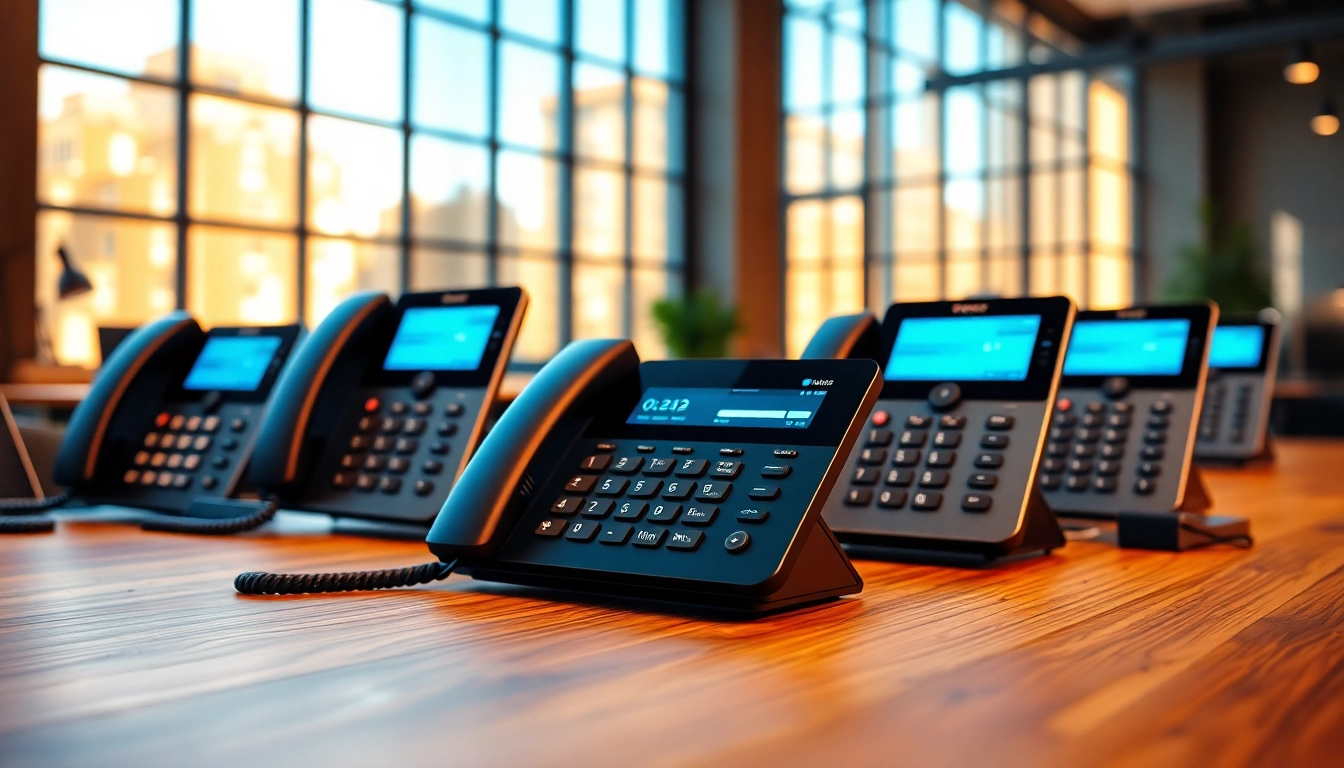
Understanding Office Business Phone Systems
Communication is the backbone of any successful business. In today’s fast-paced environment, it’s essential to have a robust yet flexible method of communication that can keep your team connected and your clients engaged. Enter office business phone systems, which are designed to help organizations streamline their communication processes, enhance collaboration, and improve overall productivity.
What Are Office Business Phone Systems?
Office business phone systems refer to various communication technologies used within corporate settings to facilitate voice communication, video conferencing, and other collaborative tools. Essentially, they serve as the central hub for all voice-related functionalities in a business, connecting employees to one another and to clients, regardless of location. These systems can range from traditional landline setups to advanced Voice over Internet Protocol (VoIP) systems and cloud-based solutions.
Key Features of Office Business Phone Systems
Modern office business phone systems come equipped with features that cater to the needs of contemporary organizations. Key features often include:
- Call Routing: Directs incoming calls to the appropriate departments or individuals.
- Voicemail: Allows users to receive messages when they are unavailable.
- Call Forwarding: Redirects calls to different numbers, ensuring calls are never missed.
- Conference Calling: Facilitates group discussions over the phone.
- Integration with Software: Ensures seamless compatibility with other business tools such as CRM systems.
Benefits of Implementing Office Business Phone Systems
Implementing an effective office business phone system offers numerous benefits:
- Enhanced Collaboration: Facilitates easier communication among teams, increasing efficiency.
- Cost Efficiency: Reduces the need for multiple providers and systems, lowering overall expenses.
- Flexibility: Many systems can be tailored to meet specific business needs, allowing for scalability.
- Improved Customer Service: Ensures that calls are routed promptly, enhancing customer satisfaction.
- Centralized Communications: Consolidates various communication methods into one platform for ease of use.
Types of Office Business Phone Systems
Traditional PBX Office Business Phone Systems
Private Branch Exchange (PBX) systems have been a mainstay in office communications for many years. They allow businesses to manage their internal phone network while connecting to external lines through traditional phone lines. While reliable, they often involve higher upfront costs due to hardware and installation requirements.
VoIP Office Business Phone Systems
Voice over Internet Protocol (VoIP) systems are transforming how businesses communicate. By using existing internet connections, VoIP allows for clearer calls and less latency. These systems provide additional benefits such as reduced operational costs and the ability to add features like video conferencing and instant messaging.
Cloud-Based Office Business Phone Systems
Cloud-based systems have gained significant popularity due to their flexibility and lower upfront costs. Businesses can access their communication tools from any location, making remote work feasible. Cloud solutions are generally easier to set up and scale, accommodating changing business needs without substantial investments in physical infrastructure.
Choosing the Right Office Business Phone System
Assessing Business Needs for Office Business Phone Systems
Choosing the right office business phone system begins with a thorough assessment of your business’s specific needs. Consider factors such as the size of your organization, the nature of your communications (e.g., frequent conference calls), and the level of scalability you require as your business grows.
Comparative Analysis of Office Business Phone Systems
When evaluating different phone systems, comparative analysis is essential. Look at features, pricing structures, ease of use, and integration capabilities with existing systems. This can involve creating a checklist or comparison matrix to visualize which system aligns best with your business objectives.
Financial Considerations for Office Business Phone Systems
Financial considerations often dictate the chosen system. Evaluate not only the initial costs but also ongoing expenses such as maintenance, upgrades, and operational efficiencies. An effectively chosen system can lead to considerable savings on operational costs over time, making financial analysis crucial during the selection process.
Implementing Office Business Phone Systems
Step-by-Step Guide to Deploying Office Business Phone Systems
Implementing an office business phone system can seem daunting, but following a structured approach makes it manageable:
- Define Objectives: Establish what you aim to achieve with the new system.
- Plan the Deployment: Create a detailed project plan, outlining timelines and responsibilities.
- Choose Your Provider: Select a vendor that meets your needs based on your previous analysis.
- System Installation: Work with your provider to ensure a smooth installation process.
- Training: Train staff on the new system to ensure efficient use.
- Monitor and Review: After deployment, continually assess system performance and address any issues.
Common Challenges in Implementing Office Business Phone Systems
Several challenges can arise during the implementation process, including user resistance, integration issues, and downtime. To mitigate these challenges, ensure thorough training is provided and consider a phased rollout to limit disruptions.
Best Practices for Smooth Transition to Office Business Phone Systems
Best practices for a smooth transition include:
- Effective Communication: Keep all stakeholders informed of changes.
- Thorough Training: Offer comprehensive training sessions for users.
- Technical Support: Ensure ongoing support is available to troubleshoot issues.
- Feedback Mechanisms: Implement ways to gather user feedback for continuous improvement.
Evaluating Performance of Office Business Phone Systems
Key Metrics to Measure Office Business Phone Systems' Effectiveness
To evaluate the effectiveness of an office business phone system, consider metrics such as call quality, average response time, call abandonment rates, and user satisfaction. Monitoring these metrics allows you to make informed adjustments, ensuring optimal performance.
Addressing User Feedback for Office Business Phone Systems
User feedback is invaluable in assessing the performance of business phone systems. Regularly solicit feedback through surveys or informal check-ins to identify areas needing improvement and adapt to users' needs effectively.
Future Trends in Office Business Phone Systems
The future of office business phone systems will likely involve increased integration of Artificial Intelligence (AI) and machine learning, leading to features such as smart assistants and advanced analytics. Keeping abreast of these trends ensures that your business remains competitive and utilizes the latest technologies in communication.
FAQs
1. What is the primary advantage of VoIP over traditional phone systems?
VoIP systems utilize internet connections, offering lower costs and enhanced features compared to traditional landlines.
2. How do cloud-based phone systems improve flexibility?
Cloud-based systems allow employees to access communication tools from anywhere, supporting remote work and mobility.
3. What factors should I consider when assessing business needs for a phone system?
Consider the size of your business, types of communications, scalability, and required features for optimal functionality.
4. What are some common challenges businesses face when implementing new phone systems?
Challenges can include user resistance, integration with existing systems, and potential downtime during the transition.
5. How can I evaluate the effectiveness of my office business phone system?
Monitor metrics such as call quality, response times, and user satisfaction to evaluate your system's performance.
Contact Information
Address:Fareham Innovation Centre, PO13 9FUEmail Us:[email protected]Call Us:0333 015 2615