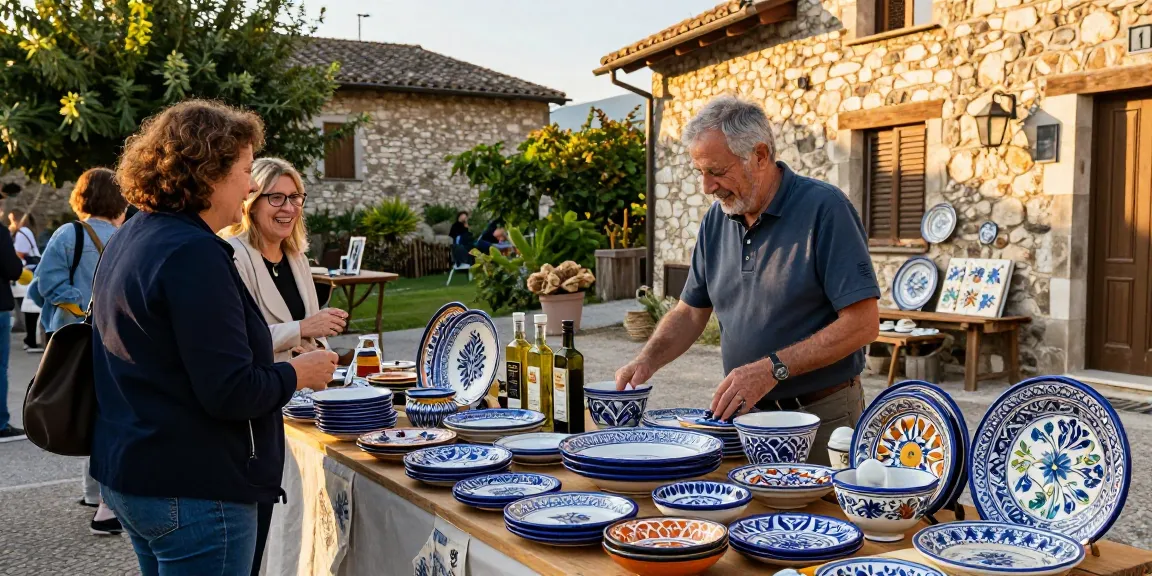
The Rich History of Italian Ceramics
Italian ceramics boast a rich heritage that dates back thousands of years, intertwining artistry with functionality. This tradition, which encompasses various regions known for their distinct styles and techniques, showcases the deep cultural significance that ceramics hold in Italian life. As the demand for authentic Italian products rises globally, understanding the history of Italian Ceramics becomes essential for appreciating their value and uniqueness.
Origins and Evolution of Ceramic Art in Italy
The origins of Italian ceramics can be traced back to the Etruscans, who produced functional and decorative pottery as early as 700 BC. The craft evolved significantly during the Renaissance when artists began innovating techniques and styles. Influential cities like Florence, Faenza, and Deruta emerged as centers for ceramic production, each contributing unique designs and methodologies to the craft. Over the centuries, the art form adapted to reflect changing tastes, societal influences, and technological advancements, leading to the diverse array of ceramics we see today.
Significance of Ceramics in Italian Culture
In Italy, ceramics are more than mere household items; they are emblems of history, heritage, and identity. They serve as functional art, enriching daily life with beauty and craftsmanship. Ceramics are prominent in Italian celebrations, from decorative plates adorning dinner tables to ornate vases gracing homes. In this way, they symbolize both personal and communal values, reflecting the Italian ethos of "la dolce vita," where beauty is celebrated in everyday experiences.
Renowned Ceramic Regions and Their Specialties
Italy is home to several renowned ceramic regions, each known for its unique styles and characteristics:
- Deruta: Famed for its intricate hand-painted designs, Deruta ceramics often feature vibrant colors and historical motifs.
- Faenza: This region is known for its tin-glazed pottery and refined artistic expressions that embody elegance and sophistication.
- Casetellina: Notable for its rustic and traditional styles, offering earthy tones and textures that evoke a sense of heritage.
- Montelupo: This area gained prominence during the Renaissance and is celebrated for its artistic techniques and innovative forms.
Understanding the Craftsmanship of Italian Ceramics
The craftsmanship that goes into Italian ceramics is a testament to the skill and dedication of artisans across the country. The creation of authentic ceramics not only requires artistic talent but also a deep understanding of materials and techniques.
Techniques Behind Hand-Painted Ceramics
Hand-painting is a hallmark of Italian ceramics, particularly in regions like Deruta. Artisans employ traditional techniques passed down through generations, utilizing brushes and natural pigments to create exquisite designs. Each piece is painstakingly crafted, with intricate details that reflect the artist's vision and skill. This personal touch imbues each item with a unique spirit, making it a one-of-a-kind work of art.
Materials Used in Authentic Italian Ceramics
Quality materials are crucial for producing authentic ceramics. Typically, high-quality clay, often sourced locally, is used to create the base. The clay is molded, fired, and then glazed using natural materials to achieve vibrant colors and finishes. The use of lead-free glazes and eco-friendly processes is increasingly common, aligning with global sustainability trends without compromising the quality that characterizes Italian ceramic art.
Importance of Traditional Methods vs. Modern Practices
While modern techniques may increase efficiency, the importance of traditional methods remains significant in preserving the authenticity of Italian ceramics. Many artisans today strive to maintain the age-old practices that define the craft, blending them with contemporary aesthetics to appeal to modern consumers. This fusion ensures that the legacy of Italian ceramic artistry continues while adapting to current market preferences.
Popular Collections of Italian Ceramics
As the appreciation for Italian ceramics grows, several collections have garnered attention for their beauty and craftsmanship. These collections showcase the diversity and richness of Italian artistry, appealing to various tastes and purposes.
Overview of Deruta Ceramics and Their Features
Deruta ceramics are perhaps the most recognized Italian ceramics globally, known for their bold colors and intricate designs. Common motifs include floral patterns, geometric shapes, and mythological themes. These pieces are often used to elevate dining experiences, making them popular choices for dinnerware in both homes and restaurants. The quality and craftsmanship of Deruta ceramics ensure they are not only visually appealing but also durable and functional.
Best-Selling Italian Ceramics for Home Decor
Italian ceramics are perfect for home decor, with various best-selling items that cater to different aesthetic preferences:
- Pots and Planters: Ideal for adding a touch of nature and elegance to interiors.
- Decorative Plates: Beautifully designed plates that can serve as wall art or table decor.
- Serving Ware: Including bowls and platters that combine functionality with artistry.
Unique Gift Ideas Featuring Italian Ceramics
Italian ceramics make for thoughtful gifts that stand out. Here are a few ideas:
- Customized Dinnerware Sets: Perfect for newlyweds or housewarming gifts.
- Handcrafted Vases: Provide a personal touch for any floral arrangement.
- Artisan Tile Sets: Great for home improvement or artistic projects.
Quality and Authenticity in Italian Ceramics
As the market for Italian ceramics grows, understanding how to distinguish genuine pieces from imitations is vital for collectors and enthusiasts alike. Authenticity not only impacts aesthetic value but also the cultural significance of each piece.
How to Identify Genuine Italian Ceramics
Identifying authentic Italian ceramics involves looking for specific indicators. These include:
- Marks or stamps from renowned manufacturers or artisans.
- Signature styles that adhere to traditional techniques.
- Quality glazes that showcase depth and color durability.
Impact of Authenticity on Value and Collectibility
Authenticity greatly influences the value of Italian ceramics. Genuine pieces are often sought after by collectors, with prices reflecting their rarity, craftsmanship, and historical significance. In contrast, replicas and mass-produced items, though visually appealing, lack the same depth of value and sentiment.
Common Misconceptions about Italian Ceramics
Several misconceptions surround Italian ceramics. One common belief is that all Italian ceramics are dishwasher safe, which is not always true. Many hand-painted items require gentle care to preserve their intricate designs. Additionally, not all ceramics are created equal; mass-produced items may not carry the same authenticity or craftsmanship as handcrafted pieces.
Future Trends in the Italian Ceramics Market
The Italian ceramics market continues to evolve, influenced by trends in design, sustainability, and consumer preferences. Artists and manufacturers are adapting to these changes while maintaining the essence of traditional craftsmanship.
Emerging Styles and Designs for 2026
As we look towards the future, emerging styles in Italian ceramics emphasize minimalism and versatility. Many new designs feature subtle colors and sleek forms, appealing to contemporary tastes while still honoring traditional techniques. This balance attracts younger generations looking for unique pieces that blend with modern decor.
Sustainability Trends in Ceramic Production
Sustainability is becoming increasingly important in the production of Italian ceramics. Many artisans are pursuing eco-friendly practices, from sourcing materials responsibly to minimizing waste during production. This shift is not only beneficial for the environment but also attracts consumers who prioritize sustainability in their purchasing decisions.
How Online Shopping is Changing the Ceramics Landscape
The growth of e-commerce has transformed how consumers purchase Italian ceramics. Online platforms allow for wider access to authentic products, connecting artisans with a global audience. This change enhances visibility for small producers while providing consumers with the convenience of shopping from home. However, it also emphasizes the need for education on authenticity, as the digital marketplace can sometimes blur the lines between genuine and imitation products.
What are the benefits of choosing authentic Italian ceramics?
Choosing authentic Italian ceramics supports traditional craftsmanship, ensuring that you acquire high-quality, unique pieces that add value to your home. Additionally, the character and story behind each item enhance its appeal, making it more than just a decorative piece.
How do Italian ceramics differ from other ceramic products?
Italian ceramics stand out due to their artistic designs, craftsmanship, and cultural significance. Unlike mass-produced ceramics, authentic Italian pieces are often handcrafted with techniques that have been passed down through generations, resulting in unique products that tell a story.
Where can I find authentic Italian ceramics online?
Finding authentic Italian ceramics online is made easier through specialized retailers that focus on quality and authenticity. Look for platforms that emphasize artisan products and offer traceable origins for their ceramics to ensure that you are receiving genuine pieces.