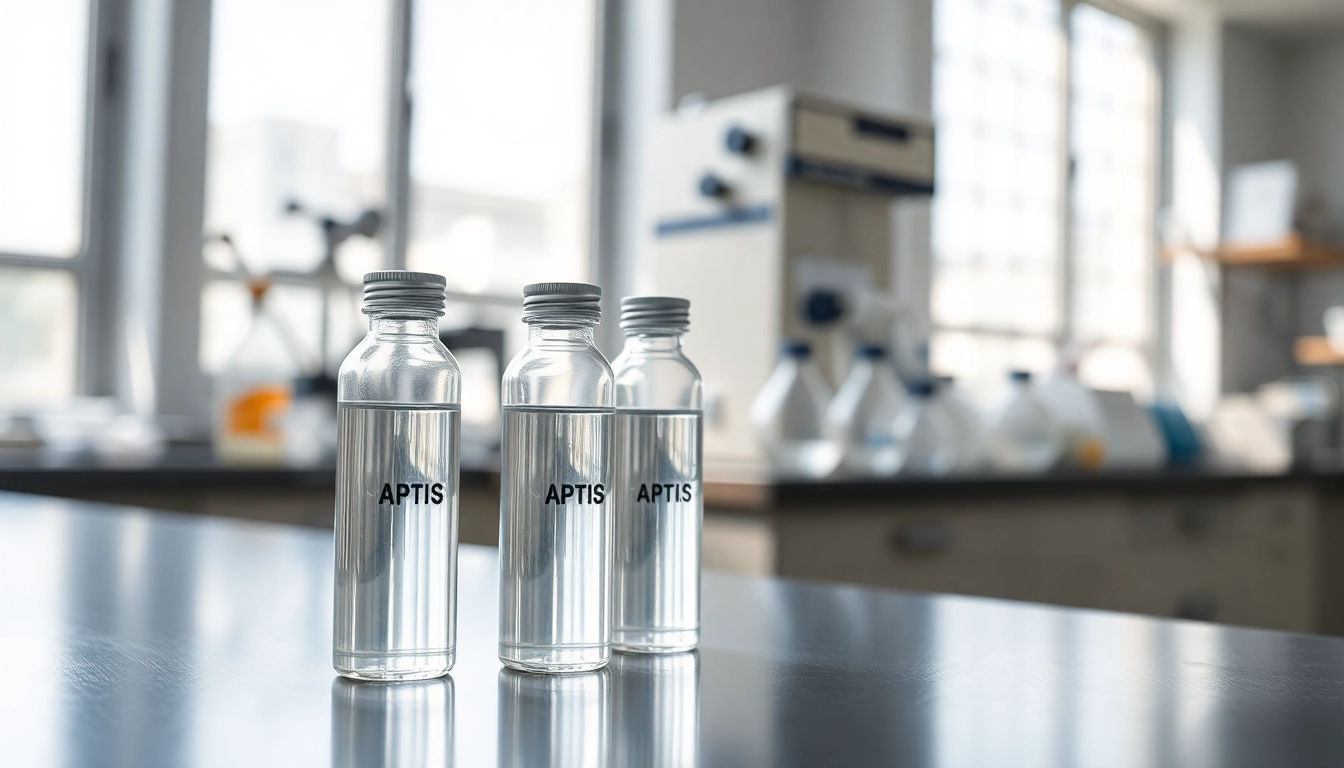
Introduction to Research Peptides
The landscape of modern scientific research has increasingly recognized the importance of peptides. These short chains of amino acids play a critical role in various biological functions and offer promising avenues for therapeutic interventions. Research peptides, often used in clinical and laboratory studies, are powerful tools that can enhance our understanding of molecular biology, the mechanisms of diseases, and potential treatments. To effectively utilize these substances, a thorough understanding of their properties, including the solvents used for their preparation, is essential. In this context, bacteriostatic water for peptides emerges as a key component in peptide research, influencing aspects from stability to efficacy.
What are Research Peptides?
Research peptides are sequences of amino acids that are synthesized for the purpose of study and experimentation. These peptides can span a wide variety of functionalities, from acting as hormones to serving as modulators of biological pathways. Each peptide's unique sequence dictates its specific functions and potential applications in research. As scientists explore the therapeutic benefits of peptides, their use has proliferated across fields such as oncology, endocrinology, and immunology.
The Role of Peptides in Scientific Studies
Peptides can serve multiple roles in scientific research. They are often used as biomarkers for disease diagnosis, tools for drug development, or as therapeutic agents themselves. In preclinical and clinical trials, peptides undergo rigorous testing to ascertain their effects on biological systems. Their versatility and relatively low production costs make them attractive for a wide array of studies, paving the way for breakthroughs in treatments ranging from cancer therapies to metabolic disorders.
Importance of Purity in Peptide Research
The efficacy and safety of peptides in research are profoundly affected by their purity. Impurities can lead to inconsistent results, misinterpretations of data, and potentially harmful biological effects. Utilizing high-quality synthesis methods and stringent purification processes is paramount to ensure that researchers are working with peptides of the highest standards. Reliable solvents like bacteriostatic water contribute to maintaining this purity, preventing contamination during the mixing or administration of these compounds.
Choosing the Right Solvent
When it comes to resuspending or diluting peptides, the choice of solvent is crucial. The ideal solvent not only needs to dissolve the peptide effectively but must also be safe for use in biological contexts. This section discusses bacteriostatic water and other solvents utilized in peptide research, as well as their comparative efficacy.
Bacteriostatic Water Explained
Bacteriostatic water is a sterile water solution that contains a small percentage of benzyl alcohol, typically around 0.9%, which acts as a preservative. This characteristic makes it particularly useful for diluting medications and for use in peptide reconstitution. The bacteriostatic properties help prevent bacterial growth, extending the solution's shelf life and allowing control over contamination risks. When working with peptides, employing bacteriostatic water can enhance stability and effectiveness, contributing to reproducible research outcomes.
Other Common Solvents Used in Peptide Research
Aside from bacteriostatic water, several other solvents are commonly used in peptide research. These include:
- Sterile Water for Injection: A solution devoid of any additives that is also sterilized, used for reconstituting medications.
- Normal Saline: A solution of sodium chloride in water, providing isotonic conditions but lacking the bacteriostatic properties.
- Dimethyl Sulfoxide (DMSO): Often used for its ability to dissolve various peptides, although it can have cytotoxic effects.
- Acetonitrile: Primarily used in chromatographic techniques, less applicable for direct biological applications.
The choice of solvent can significantly affect the solubility, stability, and biological activity of the peptide being studied.
Comparing Solvent Efficiency
When evaluating the efficiency of each solvent, several factors need consideration—solubility, stability, shelf-life, and potential toxicity. Research has shown that while sterile water is a common choice, bacteriostatic water often outperforms in terms of microbial safety, making it a favorable option for long-term peptide storage and repeated use in experiments. These distinctions play a vital role in experimental design, impacting both the outcomes and the interpretation of results.
Best Practices for Using Bacteriostatic Water
Using bacteriostatic water properly is essential for ensuring the safety and efficacy of peptide research. This section outlines best practices related to storage, dilution ratios, and common mistakes researchers should avoid.
Storage and Handling Guidelines
To maintain the integrity of bacteriostatic water for peptides, it should be stored in a cool, dry place away from direct sunlight. Once opened, it's recommended to use the solution within 28 days to reduce the risk of contamination. Always ensure that the vial is sealed tightly to maintain its sterility, and avoid using any equipment that has not been sterilized beforehand. Keeping detailed records of each vial's usage, including expiration dates, can further help mitigate risks.
Understanding Dilution Ratios
Correct dilution is critical when preparing peptide solutions. The concentration of peptides typically depends on the specific application, so understanding the appropriate dilution ratio is essential. For example, if a peptide needs to be used at a concentration of 1 mg/mL, you must ensure that the total volume of bacteriostatic water added is calculated based on the peptide's original concentration. This precision is necessary for consistent and reliable results across experimental trials.
Common Mistakes to Avoid
Despite their importance, several common mistakes arise when using bacteriostatic water, including:
- Using expired products which can lead to contamination.
- Improper sterilization of syringes or storage vials causing cross-contamination.
- Incorrect dilution leading to inconsistent dosing.
- Neglecting temperature storage guidelines which can affect potency.
- Reusing bacteriostatic water from previously opened vials, risking contamination.
Training on proper techniques can help reduce these errors and improve experimental outcomes significantly.
Applications of Bacteriostatic Water in Peptide Research
The use of bacteriostatic water extends beyond mere dilution; it plays a pivotal role across various applications in peptide research. This section explores innovative applications and their impact on experimental protocols.
Innovative Applications Across Fields
In the context of drug development, bacteriostatic water is vital in preparing peptide-based therapeutics intended for injection. By maintaining sterility, it prevents potential complications arising from microbial contamination. Fields such as regenerative medicine, cancer research, and diabetes management have begun incorporating peptides reconstituted with bacteriostatic water into their protocols, demonstrating effectiveness in therapeutic scenarios.
Impact on Laboratory Protocols
The incorporation of bacteriostatic water influences standard laboratory practices. Using this solvent has led to streamlined protocols that prioritize safety and accuracy, particularly in clinical settings where peptides are administered. It necessitates a review of existing preparation methods, encouraging laboratories to adopt best practices that enhance the consistency of results.
Case Studies and Success Stories
Documented case studies have illustrated the successful use of bacteriostatic water in peptide research. One notable example includes a study exploring the implications of peptide injection in treating metabolic disorders. Researchers found that peptides prepared with bacteriostatic water not only improved patient outcomes but also adhered to stringent safety protocols, evidencing the solvent's reliability in clinical applications.
Frequently Asked Questions
What is bacteriostatic water?
Bacteriostatic water is a sterile water solution containing a small amount of benzyl alcohol, used to dilute or dissolve medications, particularly peptides.
How should bacteriostatic water be stored?
Store in a cool, dry place away from direct sunlight. Once opened, use it within 28 days for optimal safety and effectiveness.
Can bacteriostatic water be reused?
No, bacteriostatic water should not be reused once it is mixed with peptides to prevent contamination and ensure safety.
Is bacteriostatic water safe for injecting?
Yes, when used appropriately, bacteriostatic water is safe for diluting peptides intended for injection, aiding in efficacy.
What are the alternatives to bacteriostatic water?
Alternatives include sterile water for injection and saline solutions, but they may not have the preservative properties of bacteriostatic water.