Understanding TradingView's Features
In today's fast-paced financial markets, effective trading requires not only knowledge but also the right tools. tradingview has emerged as a powerful platform that combines advanced charting tools with a vibrant social networking element, allowing traders to track market movements and make informed decisions. As we dive into the specifics of TradingView, we will explore its functionalities, the unique features that set it apart, and how it can revolutionize the trading experience.
What is TradingView and How Does It Work?
TradingView is an online charting platform designed for traders of all levels. It provides users with extensive data on a variety of financial instruments, including stocks, commodities, forex, and cryptocurrencies. The platform operates through a web-based interface, making it accessible from virtually any device with an internet connection. Users can create interactive charts, perform technical analysis, and share insights with a global community of traders.
The platform's versatility is one of its main attractions. Whether you are a beginner looking for simple charts or an experienced trader needing advanced tools like backtesting and strategy development, TradingView caters to all. Additionally, its integration of social features—where traders can post analyses and comment on others’ insights—enhances the learning process and fosters a collaborative environment.
Key Tools and Features for Traders
TradingView is packed with features that enhance the trading experience. Some of the standout tools include:
- Customizable Charts: Users can customize their charts with a range of technical indicators, drawing tools, and various chart types (candlestick, line, bar, etc.), allowing for tailored analysis that meets individual needs.
- Real-time Market Data: The platform provides real-time data for global markets, which is essential for making timely trading decisions.
- Community Insights: The social aspect of TradingView allows users to follow experienced traders, share their own ideas, and gain insights from others, creating a rich learning environment.
- Scripting Language: For advanced users, TradingView offers Pine Script, a proprietary scripting language that enables traders to create custom technical indicators and strategies.
- Alerts and Notifications: Traders can set alerts based on specific price levels or technical signals, ensuring they never miss a trading opportunity.
Best Practices for Using TradingView
Setting Up Your Dashboard for Success
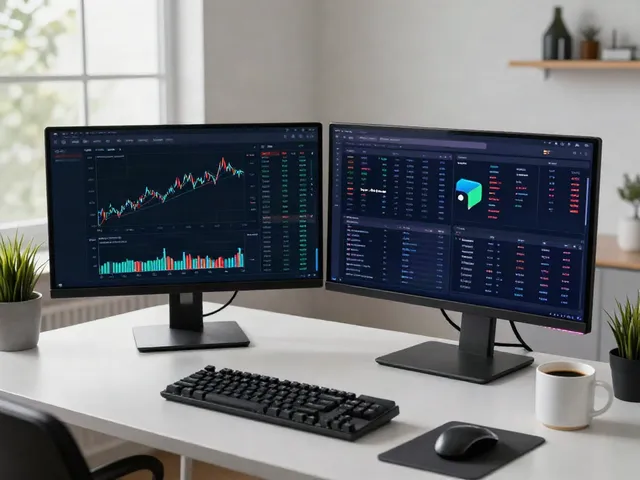
To maximize the benefits of TradingView, it is essential to create an organized and efficient dashboard. Start by selecting the financial instruments you wish to monitor and add them to your watchlist. Use the multi-chart layout feature to view several charts at once, providing a comprehensive overview of market trends.
Additionally, leverage the customization options available. Set default templates for charts that you frequently use, including your preferred indicators and patterns, to save time during analysis.
Analyzing Market Trends with Real-time Data
Analyzing market trends is crucial for successful trading. Use TradingView's real-time data to your advantage; the live market updates will help you identify price movements and trends as they happen. Utilizing trend lines and moving averages can provide insights into market direction, and combining these with TradingView’s drawing tools allows for deeper technical analysis.
Utilizing Alerts and Notifications Effectively
Alerts are a game-changer when it comes to staying updated on market movements. Setting alerts for significant price changes or when specific technical indicators signal a trading opportunity enables you to react promptly. Make sure to adjust the sensitivity of your alerts to balance between having enough notifications and avoiding alert fatigue.
Common Challenges in Trading and How to Overcome Them
Understanding Market Volatility and Risk Management
Market volatility can be daunting, especially for new traders. Understanding that volatility presents both opportunities and risks is pivotal. Effective risk management strategies, such as setting stop-loss orders and determining position sizes based on account balance and risk tolerance, can safeguard your capital against unexpected market changes.
Overcoming Analysis Paralysis in Trading
One common issue traders face is analysis paralysis—becoming overwhelmed by the amount of available data and potential strategies. To combat this, establish a clear trading plan that outlines specific criteria for entering and exiting trades. Stick to your plan to maintain focus and discipline, reducing the tendency to overanalyze.
Dealing with Emotional Trading Decisions
Emotional decision-making can lead to significant losses. To mitigate this risk, maintain a trading journal to reflect on your decisions, emotions, and the outcomes of your trades. This practice encourages self-awareness and helps you identify emotional triggers that may affect your trading performance.
Case Studies of Successful Trading Strategies
Real-world Applications of TradingView Insights
Implementing TradingView insights in real-world trading scenarios can yield profitable results. For instance, consider a trader who utilized the platform's charting capabilities to identify a bullish trend in a specific stock. By applying technical indicators such as the Relative Strength Index (RSI) and Fibonacci retracement levels, the trader was able to make informed decisions, ultimately leading to a successful trade.
Combining Technical Analysis and Fundamental Analysis
Successful traders often blend technical and fundamental analysis for a holistic view of the markets. By analyzing news events and economic indicators within TradingView, traders can adjust their strategies based on current affairs while utilizing technical analysis for entry and exit points. This dual approach enhances the likelihood of making profitable trades.
Learning from Experienced Traders’ Stories
TradingView features a community where seasoned traders share their stories and strategies. Engaging with these narratives not only provides inspiration but also offers practical lessons derived from real trading experiences. Such exchanges can be invaluable for novice traders aiming to navigate the complexities of trading.
Future Trends in Trading Platforms
Emerging Technologies in Trading and Analysis
The trading landscape is changing rapidly, with emerging technologies shaping the way traders operate. Advancements in machine learning and big data analytics are enabling platforms like TradingView to provide more sophisticated analytical tools. As these technologies evolve, expect to see enhanced predictive analytics that can better inform trading decisions.
Predictions for Market Behavior Post-2026
Looking ahead, analysts predict that market behavior will be influenced by factors such as global economic shifts and regulatory changes. Traders must stay informed about geopolitical events and economic data to adapt their strategies accordingly. Platforms that integrate adaptive analytics will be at the forefront of these changes.
The Role of AI and Automation in Trading
Artificial intelligence (AI) is slated to play an increasingly significant role in trading. Traders can expect enhanced automated trading systems that leverage AI to analyze vast datasets and execute trades based on complex algorithms. As these technologies become more integrated into platforms like TradingView, they will offer users unprecedented efficiency and effectiveness in trading.
How to Effectively Use TradingView for Beginners?
For beginners, the best approach to using TradingView is to start with the basics. Familiarize yourself with the platform's layout, explore the various charting tools, and begin trading with a virtual account. This allows new traders to practice strategies without risking real money, building confidence before transitioning to live trading.
What Are the Cost Structures of TradingView?
TradingView offers several subscription plans, including a free tier with limited features and paid plans that provide enhanced functionalities. Understanding the cost structure is crucial for traders to select the plan that best fits their trading style and requirements. Paid plans typically offer more advanced tools, real-time data, and the ability to use multiple charts, which can be beneficial for active traders.
Can TradingView Help with Long-Term Investment Strategies?
Absolutely. While TradingView is well-known for its real-time trading capabilities, it also offers tools suitable for long-term investors. The platform’s extensive analytical features allow users to conduct thorough research and analysis, essential for making informed long-term investment decisions. Investors can utilize the historical data available on the platform to assess stock performance over time.
What Are Some Alternatives to TradingView?
While TradingView is a robust platform, there are alternatives worth considering, such as MetaTrader, ThinkorSwim, and NinjaTrader. Each platform has its strengths and weaknesses, and the choice often depends on individual trader preferences and requirements.
Why Choose TradingView Over Other Trading Platforms?
The choice of TradingView often hinges on its user-friendly interface, extensive community support, and comprehensive charting capabilities. The integration of social networking features allows users to learn and share strategies, setting it apart from more traditional trading platforms that lack community engagement.