Understanding Equipment Transportation
What is Equipment Transportation?
Equipment transportation entails the logistics of moving heavy machinery and equipment from one location to another. This process involves various methods and vehicles tailored to facilitate the safe relocation of equipment, be it for construction, industrial needs, or other sectors requiring robust machinery. The complexity of equipment transportation arises not only from the specialized handling required but also from the need to adhere to regulations, logistical efficiencies, and safety considerations.
The Importance of Safe Equipment Transportation
Safe transportation of equipment is paramount in preventing accidents, ensuring the integrity of machinery, and preserving the safety of personnel involved in the logistics process. Transporting heavy equipment often requires compliance with safety standards to minimize risks associated with load shifts, mechanical failures, and road hazards. Neglecting these safety protocols can lead to costly damages and legal issues, reinforcing the need for thorough training and planning in transport operations.
Common Types of Equipment Transported
Numerous types of equipment require transportation, including but not limited to:
- Construction machines (excavators, bulldozers, loaders)
- Agricultural equipment (tractors, harvesters, tillers)
- Industrial machinery (generators, compressors, manufacturing equipment)
- Transportation vehicles (trailers, trucks, buses)
- Specialized equipment (shipping containers, oversized loads)
Each of these categories has unique transportation guidelines and requirements, highlighting the importance of specialized knowledge in equipment logistics.
Choosing the Right Equipment Transportation Method
Factors Influencing Transportation Choices
When determining the appropriate transportation method, several factors need consideration:
- Type of Equipment: The nature and size of the equipment will largely dictate the mode of transport.
- Distance: Long-distance transports may necessitate different methods compared to local hauls.
- Regulatory Requirements: Oversized or specialized equipment often requires permits and adherence to specific guidelines.
- Budget: Cost-effectiveness is always a concern, and the method selected should align with budgetary constraints.
Open vs. Enclosed Transport Options
Equipment can be transported using open or enclosed methods. Open transport is generally more economical and suitable for robust materials that can withstand environmental elements. However, for high-value, sensitive equipment, enclosed transport is recommended to provide additional protection from weather conditions and potential road debris, albeit at a higher cost.
The Role of Size and Weight in Equipment Transportation
Size and weight play critical roles in selecting transportation methods. Heavier equipment may require specialized vehicles such as lowboys or flatbeds, designed to handle heavy loads securely. Understanding weight limits and dimensional restrictions on various routes is vital to avoid fines and ensure compliance with transport regulations.
Logistics and Planning for Equipment Transportation
Creating an Efficient Transportation Plan
A comprehensive transportation plan should outline every step required for safe and timely delivery. Consider the following:
- Assessing equipment specificities (dimensions, weight, fragility)
- Identifying appropriate routes that accommodate the size and weight of the load
- Determining loading and unloading locations that enable secure positioning
- Scheduling to avoid traffic delays and accommodate weather conditions
Destinations and Routes: What to Consider?
When planning the route for equipment transportation, various factors should come into play:
- Road Conditions: Assess whether the roads can accommodate heavy loads, considering potential construction hazards or repairs.
- Permits: Certain routes may require special permits for oversized loads.
- Environmental Sensitivity: Avoiding routes through environmentally sensitive areas can mitigate risks associated with spills or accidents.
The Importance of Compliance and Permits
Compliance with local and state regulations is crucial for successful equipment transportation. Obtaining the necessary permits and following specific guidelines ensures that the transportation process is legal and minimizes potential liabilities during operations.
Challenges in Equipment Transportation
Weather Conditions and Transportation Delays
Weather poses several challenges during equipment transportation, from rain and snow to windy conditions. Inclement weather can lead to delays and reduce road safety, making it crucial to monitor forecasts and adjust transportation schedules accordingly. Comprehensive planning includes having contingency measures in place for weather-related disruptions.
Managing Oversized Equipment Transport
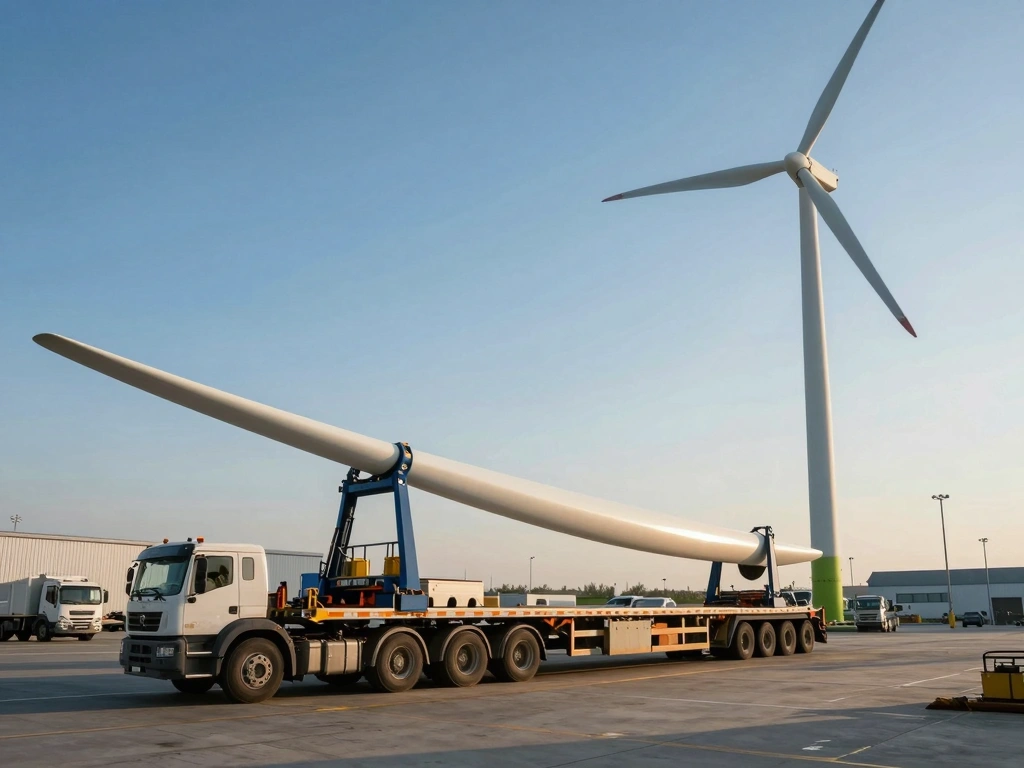
Transporting oversized equipment requires specialized knowledge and coordination. It is essential to ensure the vehicles used are equipped to manage the size and weight of the load. Transportation teams should be skilled in securing and maneuvering oversized loads, adhering to regulations, and utilizing appropriate escorts when necessary.
Handling Unexpected Issues During Transport
Unforeseen issues can arise during transportation, from equipment malfunctions to road accidents. Effective contingency planning, including emergency response strategies, is vital. Additionally, using real-time tracking technology can help identify and address issues as they arise, ensuring a more efficient transport process.
Best Practices for Equipment Transportation
Safety Protocols Everyone Should Follow
Implementing safety protocols consistently is fundamental in safeguarding both personnel and equipment. Key practices include:
- Regular training sessions on equipment handling and transportation logistics
- Conducting pre-transport inspections of vehicles and machinery
- Ensuring all personnel are equipped with proper safety gear
- Using clear communication methods throughout the transportation process
Tracking Equipment During Transportation
Tracking technology enhances the logistics process by providing real-time updates on equipment location and status. This allows for better communication with stakeholders and helps preemptively address any delays or issues that may arise during transport.
Post-Transport Evaluations and Feedback
After transport, conducting evaluations can improve future logistics efforts. Collecting feedback helps identify areas for improvement, ensuring continuous learning and process refinement in transportation practices.
FAQs
1. What types of equipment require specialized transportation?
Heavy machinery, oversized loads, and sensitive equipment like generators or industrial machines typically require specialized transportation due to their size or fragility.
2. How can I ensure compliance with transport regulations?
Research local and state regulations prior to transport, and obtain necessary permits. Familiarize yourself with size, weight restrictions, and route limitations.
3. What precautions should I take during bad weather?
Monitor weather conditions closely and adjust transportation schedules accordingly. Ensure the equipment is secured properly and consider rerouting to avoid hazardous conditions.
4. How can technology assist in equipment transport?
Tracking technologies provide real-time updates, enhancing communication and logistics planning. They can help address issues swiftly and ensure timely delivery.
5. What should be included in a transportation safety plan?
A safety plan should include training protocols, inspection checklists, communication methods, emergency procedures, and personal protective equipment requirements.
Contact Information
Call Us: 4062607988Address: 3906 MT-40, Columbia Falls, MT 59912