Understanding Queue Detection Software
Queue detection software is an innovative solution designed to manage, monitor, and optimize queues in various environments such as retail, transport hubs, and service centers. The rise of digital technology has made it essential for businesses to enhance customer experience by reducing wait times and improving service efficiency. This is where queue detection software comes into play, providing tools that enable organizations to streamline their operations and better serve their customers.
What is Queue Detection Software?
Queue detection software employs advanced technologies, such as computer vision and artificial intelligence, to analyze foot traffic and identify bottlenecks in real-time. This software uses various data collection methods, including video feeds, sensors, and mobile applications, to assess queue lengths and waiting times, offering insights that allow businesses to make informed operational decisions.
Key Functions of Queue Detection Software
Queue detection software performs several critical functions:
- Real-time Monitoring: Track the number of customers in line, assess wait times, and identify peak times.
- Automated Alerts: Notify staff about unusual queue lengths or excessive wait times to allow for quick adjustments.
- Data Analytics: Collect and analyze data on customer flow and queue behavior to enhance future service strategies.
- Reporting: Generate detailed reports for performance assessment and strategy formulation.
Benefits of Implementing Queue Detection Software
Companies that implement queue detection software experience numerous advantages:
- Improved Customer Satisfaction: Shorter wait times lead to a better overall customer experience.
- Increased Operational Efficiency: Staff can allocate resources more effectively, knowing where the demand is highest.
- Reduced Staff Stress: With alerts in place, employees can prepare for busy periods and manage them more effectively.
- Data-Driven Decisions: Insights from the software help businesses adapt services to meet customer demands successfully.
Core Features of Effective Queue Detection Software
Real-time Monitoring and Alerts
A significant feature of queue detection software is its ability to provide real-time monitoring of customer flows. This function allows businesses to view live data regarding queue lengths and waiting times, ensuring that any discrepancies can be addressed promptly. Alerts can also be set to notify staff of critical situations, allowing for quick intervention before customers become frustrated.
Integration with Existing Systems
Effective queue detection software should seamlessly integrate with existing management systems. Integration ensures that organizations can maximize their current resources without needing extensive additional training or investments. Interoperability with scheduling tools and customer relationship management (CRM) systems can enhance overall operational efficiency.
User-friendly Dashboards and Reports
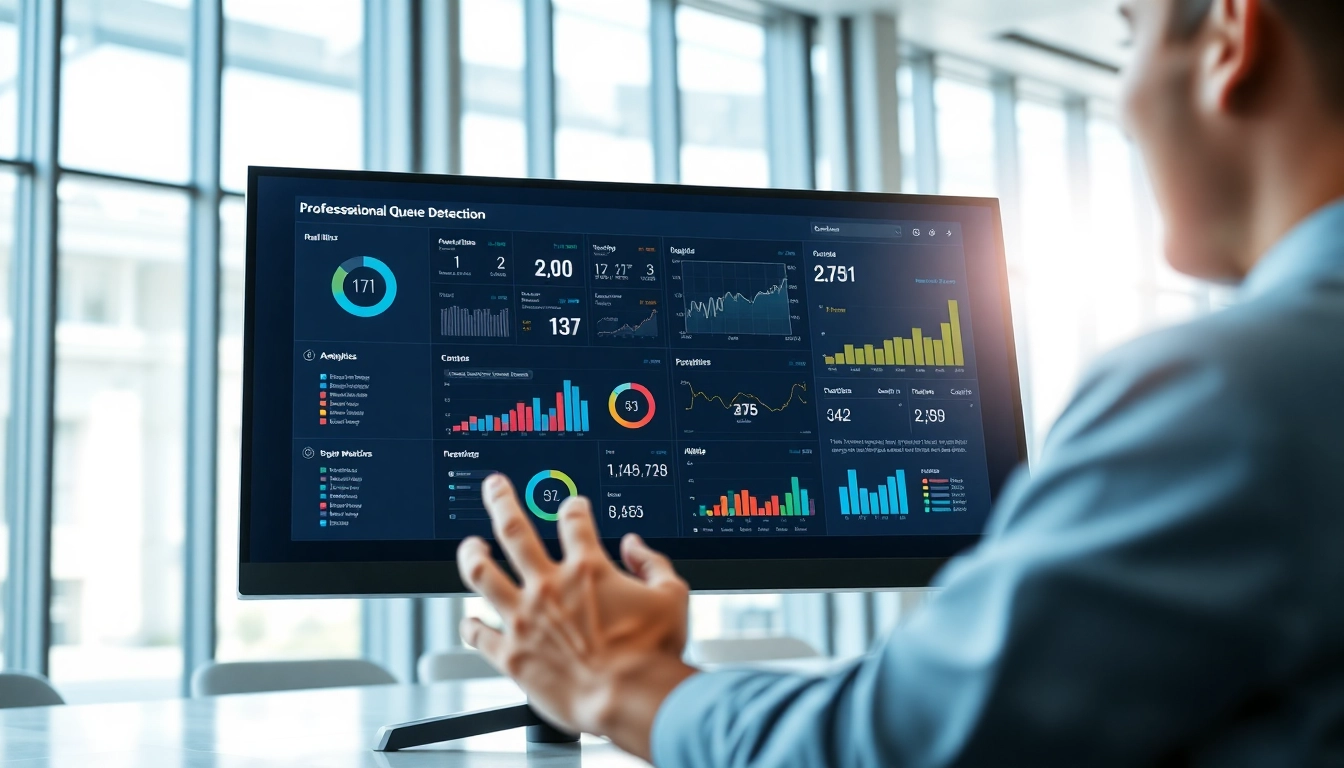
User-friendly interfaces are crucial for adoption and effective usage of queue detection software. Dashboards that provide visualizations, trends, and analytical data enable staff to assess situation quickly and make informed decisions. Efficient reporting tools also help stakeholders understand performance metrics and adjust strategies accordingly.
Best Practices for Implementing Queue Detection Software
Assessing Your Business Needs
Before integrating queue detection software, businesses should conduct a thorough assessment of their operational needs. This evaluation includes understanding peak operation hours, customer behavior, and historical queue management challenges faced by the organization. By aligning software capabilities with business requirements, companies can achieve optimal performance.
Choosing the Right Features
Different queue detection software comes with varying features. Businesses should choose software that offers essential functionalities suited to their operations, such as customer notifications, appointment scheduling, and mobility support. Prioritizing the right features helps organizations address primary challenges effectively while improving service delivery.
Training Staff for Optimal Use
Training staff on the use of the software is critical to ensure successful implementation. Comprehensive training should cover how to interpret data from the system, how to manage alerts, and how to utilize reports effectively. Engaged and informed employees can maximize the capabilities of queue detection software, ultimately enhancing operational outcomes.
Performance Metrics and Analysis
Measuring Queue Efficiency
Measuring queue efficiency involves analyzing metrics such as average wait times, peak waiting periods, and customer throughput rates. These metrics provide insights into operational effectiveness and help businesses identify areas for improvement. Regularly measuring and analyzing performance data allows organizations to fine-tune their queue management strategies.
Customer Feedback and Satisfaction
Collecting user feedback on their queue experiences can offer invaluable insights into customer satisfaction. Surveys and real-time feedback tools can illuminate areas needing improvement and guide businesses in implementing changes that enhance the customer experience. Positive customer feedback can be a direct indicator of the effectiveness of queue detection software.
Adapting to Changing Conditions
Businesses should establish a nimble approach to queue management, adapting to changing customer behaviors and market conditions. Using real-time data provided by queue detection software, businesses can adjust staff levels, operational hours, or service offerings as needed. This adaptability improves service efficiency and helps maintain customer satisfaction in dynamic environments.
Future of Queue Detection Software
Innovations on the Horizon
The future of queue detection software is set to witness various innovations, particularly with the integration of artificial intelligence and machine learning. These technologies will enable smarter analytics and predictive modeling, helping businesses forecast customer flow patterns and more accurately manage resources.
Trends in Customer Experience Management
As customer experience management evolves, the need for enhanced queue detection will increase. Software is expected to incorporate more personalized interactions, such as notifications aligned with customer preferences and historical engagement. This trend will allow businesses to elevate service levels while maintaining operational efficiency.
Overview of Advanced Technologies
Advanced technologies like IoT sensors, enhanced video analysis, and mobile applications are poised to further enhance queue detection software capabilities. These innovations will provide deeper insights into customer behavior patterns, enabling more effective queue management strategies. As these technologies evolve, businesses will have unprecedented tools to improve the customer journey.
Frequently Asked Questions
1. What is queue detection software used for?
Queue detection software is used to monitor and manage customer queues in real-time, helping businesses improve service efficiency and reduce waiting times.
2. How does queue detection software work?
This software uses sensors and video analysis to track customer numbers, measure waiting times, and provide actionable insights to streamline operations.
3. What benefits does queue detection software offer?
It enhances customer satisfaction, boosts operational efficiency, reduces staff stress, and supports data-driven decision-making.
4. Can queue detection software integrate with other systems?
Yes, many queue detection solutions are designed to integrate seamlessly with existing management systems, enhancing overall operations.
5. How can businesses measure the impact of queue detection software?
Businesses can measure its impact by analyzing key performance metrics, customer feedback, and improvements in service delivery over time.