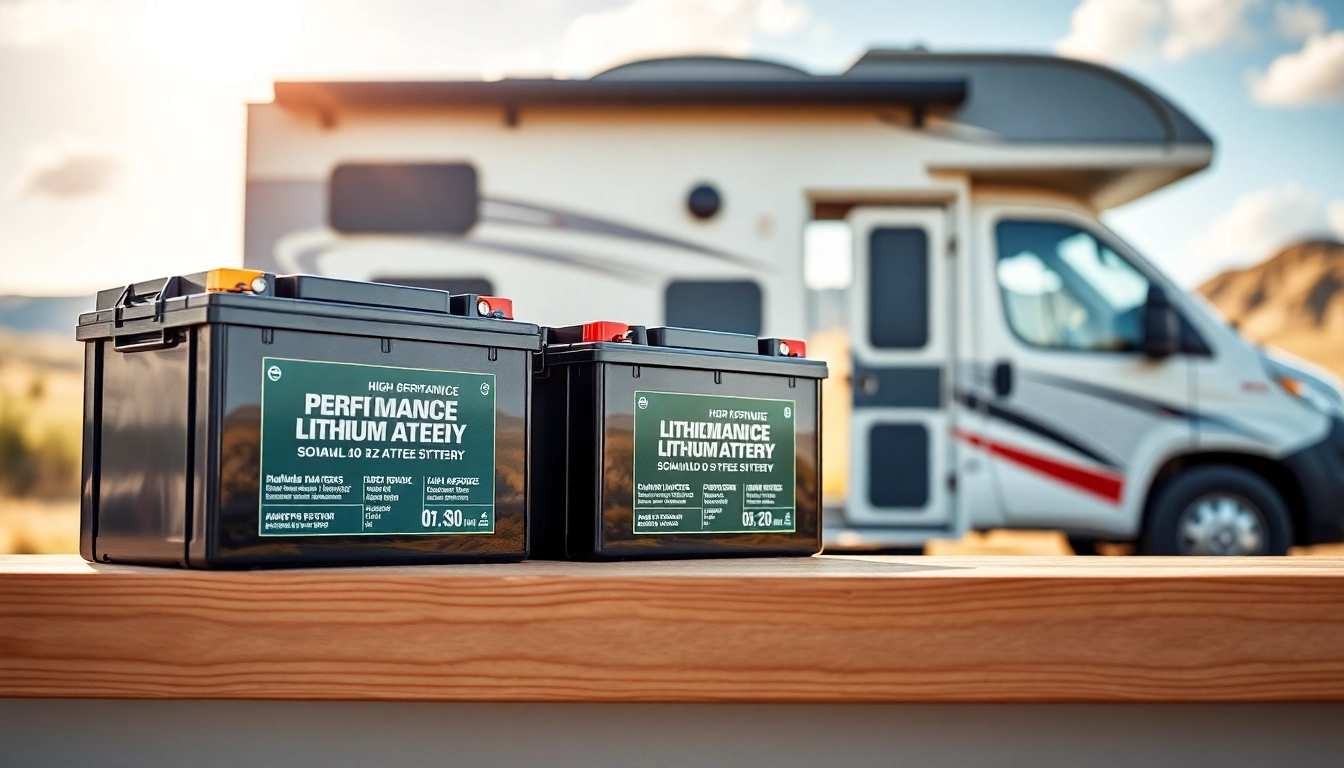
1. Understanding Lithium RV Batteries
1.1 What Are Lithium RV Batteries?
Lithium RV batteries are rechargeable batteries specifically designed to power recreational vehicles (RVs), campers, and other mobile setups. Made primarily from lithium iron phosphate (LiFePO4), these batteries are gaining popularity due to their efficiency and longevity compared to traditional lead-acid batteries. Unlike conventional batteries that rely on chemical reactions involving lead and sulfuric acid, lithium batteries utilize a lithium salt electrolyte. This difference in chemistry contributes to several performance and safety advantages, making them suitable for today’s mobile power needs.
1.2 Key Advantages Over Traditional Batteries
The shift towards lithium RV batteries has been driven by significant advancements in technology and rising cost efficiencies. Some key advantages they have over traditional lead-acid batteries include:
- Longer Lifespan: Lithium batteries can last up to ten times longer than lead-acid batteries, providing more cycles before needing replacement.
- Higher Usable Capacity: Lithium batteries can utilize up to 90% of their capacity, while lead-acid batteries can only use about 50%. This translates to more available power for your RV.
- Weight Efficiency: Lithium RV batteries are significantly lighter, reducing overall RV weight, which enhances fuel efficiency and performance.
- Faster Charging: They charge faster than lead-acid batteries, meaning less time waiting to recharge and more time enjoying the great outdoors.
- Safety Features: Lithium batteries have built-in management systems to control voltage and temperature, lowering the risk of fire or overheating.
1.3 How Lithium RV Batteries Work
Understanding the operation of lithium RV batteries is essential for maximizing their potential. Lithium batteries function through electrochemical reactions. When the battery is charged, lithium ions move from the positive electrode (cathode) to the negative one (anode), where they are stored. During discharge, these ions travel back to the cathode, producing electric current. The design of lithium RV batteries enables them to handle higher discharge rates, making them particularly effective for powering demanding appliances typically found in RVs, such as refrigerators and air conditioning units.
2. Selecting the Right Lithium RV Batteries
2.1 Sizes and Capacities Explained
Choosing the right size and capacity for lithium RV batteries is crucial for meeting your energy needs. Battery capacities are measured in amp-hours (Ah), which indicate how long a battery can provide a certain amount of current. Common capacities for RV applications range from 100Ah to 400Ah, with larger capacities catering to more power-hungry setups. For instance, a 100Ah battery can deliver 100 amps for one hour or a lower current over a more extended period. Careful calculation based on your device usage will help in selecting the best capacity. Also, consider space constraints in your RV since lithium batteries tend to occupy less space than lead-acid counterparts.
2.2 Essential Features to Consider
When selecting lithium RV batteries, certain features greatly impact performance and usability. Look for the following:
- Built-in Battery Management System (BMS): A quality BMS monitors battery health, prevents overcharging/discharging, and protects against short circuiting.
- Thermal Protection: Batteries equipped with thermal protection are designed to shut down under high temperatures, ensuring safety.
- Cycle Life: Understand the cycle life rating, which indicates how many complete charge/discharge cycles the battery can endure before losing capacity.
- Warranty: Look for batteries that come with a substantial warranty period as an indication of quality.
2.3 Evaluating Battery Quality and Lifespan
Quality and lifespan are crucial factors when investing in Vatrer Power. Several manufacturing practices define the quality:
- Grade of Lithium Cells: Batteries using high-quality lithium cells typically offer better performance and longevity.
- Construction Quality: Inspect for physical robustness; better construction using durable materials leads to a longer lifespan.
- Manufacturer Reputation: Research and opt for brands known for quality and reliability in lithium technology.
- Energy Efficiency: High-quality batteries demonstrate minimal energy loss during charge/discharge cycles, allowing for more efficient power use.
3. Installation and Usage of Lithium RV Batteries
3.1 Step-by-Step Installation Guide
Installing lithium RV batteries requires attention to detail and adherence to safety practices. Here’s a general step-by-step guide:
- Gather Tools: You’ll need wrenches, safety glasses, and insulated gloves.
- Disconnect Power: Turn off the power supply to prevent electrical shocks.
- Remove Old Battery: Carefully disconnect the old battery (if applicable) and remove it from the battery compartment.
- Install Lithium Battery: Securely place the new lithium battery in the compartment, ensuring that the terminals are correctly oriented.
- Connect Wiring: Attach positive and negative cables to the appropriate terminals, ensuring a tight fit to prevent sparks.
- Double-check Connections: Inspect all connections before turning the power back on.
- Turn On Power: Reconnect the power supply and test the electrical system.
3.2 Best Practices for Maintenance
Maintaining lithium RV batteries is relatively straightforward, yet essential for longevity:
- Routine Inspection: Regularly check connections for corrosion and tightness, ensuring maximum conductivity.
- Charging Techniques: Follow manufacturer recommendations for charging practices, avoiding overcharging.
- Temperature Control: Store in a climate-controlled environment when not in use to prevent damage from extreme temperatures.
- Monitor Battery Health: Use monitoring systems to track voltage and capacity, which helps in identifying potential issues early.
3.3 Maximizing Battery Efficiency On-the-Road
To get the most out of your lithium RV batteries, consider the following tips:
- Energy Consumption Awareness: Be conscious of the appliances' power draw and limit usage during peak loads.
- Solar Charging: Utilize solar panels to supplement battery charging while camping, especially in remote locations.
- Use Energy-Efficient Appliances: Employ energy-efficient devices to reduce power consumption and prolong battery life.
- Regular Monitoring: Keep track of battery levels and adjust power usage accordingly to avoid deep discharging.
4. Cost Considerations and Budgeting
4.1 Initial Investment vs. Long-Term Savings
While lithium RV batteries often come with a higher upfront cost compared to traditional lead-acid batteries, they offer considerable long-term savings. Their longevity translates to fewer replacements, reducing overall cost per watt over time. Additionally, the increased efficiency and capacity mean you’re less reliant on external power sources, further mitigating costs during off-grid trips.
4.2 What to Expect in Terms of Warranty
A warranty provides assurance regarding battery quality and lifespan. Most reputable lithium RV battery manufacturers offer warranties ranging from 5 to 10 years, which is an indicator of confidence in their product's durability and performance. Always read the warranty fine print, as some conditions may limit coverage based on usage patterns.
4.3 Comparing Costs: Lithium vs. Lead-Acid
The cost comparison between lithium and lead-acid batteries is multifaceted. Although the purchase price of lead-acid batteries is generally lower, the hidden costs of maintenance, replacement, and energy inefficiency can add up significantly. Investing in lithium RV batteries translates to lower long-term operational costs due to their efficiency and lifespan, making them a smart investment for frequent RV users.
5. FAQs About Lithium RV Batteries
5.1 Are lithium batteries worth it for an RV?
Yes, especially for frequent boondockers. They offer longer lifespans, higher usable capacity, and better energy efficiency, making them cost-effective over time.
5.2 How long do lithium RV batteries last?
High-quality 12V 300Ah Lithium Battery can last anywhere from 8 to 15 years depending on usage and maintenance practices, significantly outlasting lead-acid batteries.
5.3 Can I use lithium batteries with solar systems?
Yes, lithium batteries are ideal for pairing with solar systems, providing efficient energy storage and utilization for off-grid living.
5.4 How do I recycle lithium RV batteries?
Recycle lithium RV batteries through certified recycling centers. Many retailers and manufacturers also offer take-back programs to ensure proper recycling practices.
5.5 What are common issues with lithium RV batteries?
Common issues may include improper charging, overheating, or BMS failures. Regular maintenance and monitoring can avoid most problems and prolong battery life.