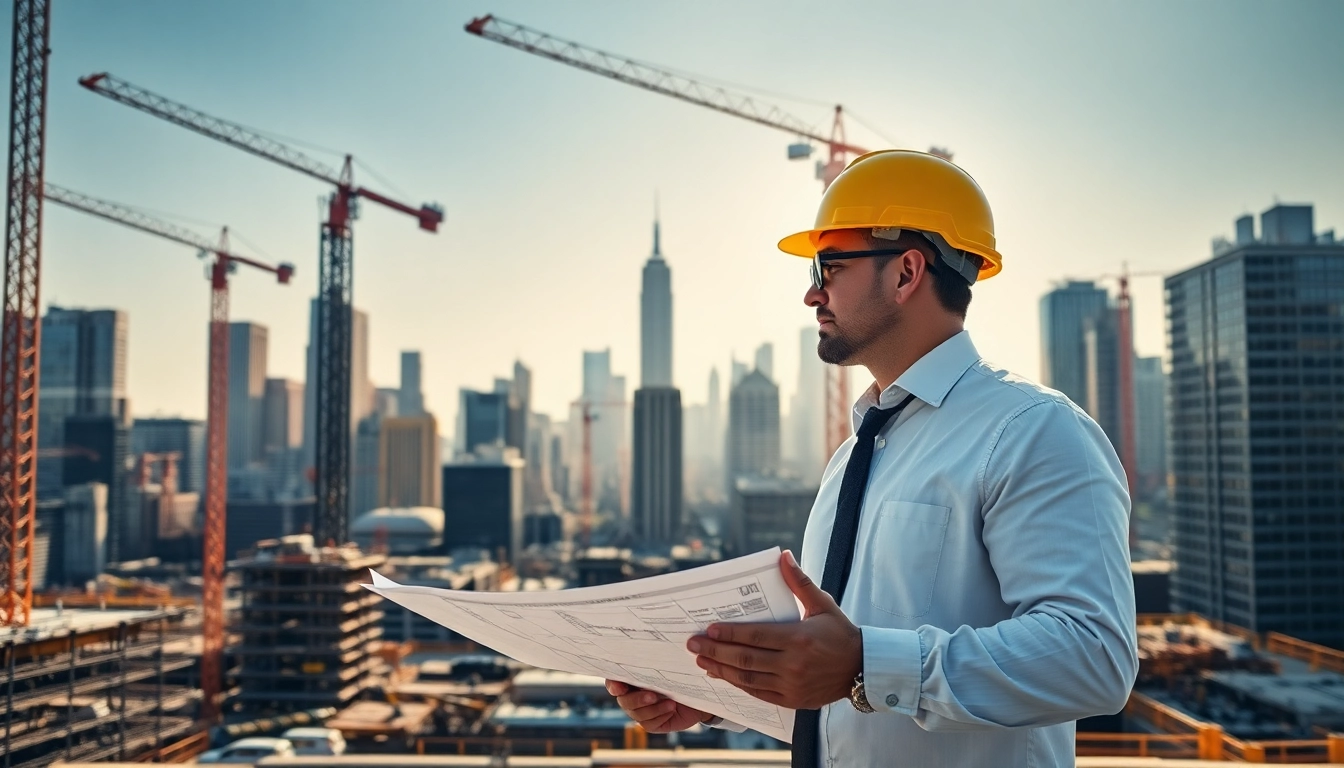
Understanding the Role of Manhattan Construction Manager
The role of a Manhattan Construction Manager is vital in the realm of commercial construction. These professionals are essential for overseeing various stages of a project—from initiation to completion. Their expertise in managing resources, timelines, and finances not only drives project success but also ensures compliance with regulations and safety standards. A skilled Manhattan Construction Manager must possess a blend of technical knowledge, leadership skills, and problem-solving abilities to navigate the complexities of construction in a bustling urban environment.
Key Responsibilities of a Manhattan Construction Manager
The Manhattan Construction Manager bears a multitude of responsibilities that are critical to the success of any construction project. They typically include:
- Project Planning: Developing detailed project plans that outline the scope, budget, and timeline.
- Resource Allocation: Ensuring that the necessary materials, labor, and equipment are available when needed.
- Quality Control: Implementing practices to ensure that all work meets established quality standards.
- Budget Management: Monitoring costs and making adjustments as needed to keep the project within budget.
- Timeline Supervision: Keeping the project on schedule by coordinating various contractors and subcontractors.
- Risk Assessment: Identifying potential risks and developing strategies to mitigate them.
Essential Skills Required for Success
To thrive as a Manhattan Construction Manager, one must possess a variety of skills, including:
- Leadership: Leading a diverse team and managing interpersonal dynamics is crucial.
- Communication: Effectively communicating with clients, contractors, and team members ensures smooth operations.
- Problem-Solving: The ability to think on one's feet and develop solutions to unexpected challenges is key.
- Technical Knowledge: A deep understanding of construction processes and technologies is necessary.
- Time Management: Prioritizing tasks and managing both time and resources effectively leads to better project outcomes.
Importance of Strategic Planning
Strategic planning is an integral aspect of construction management. A comprehensive strategy allows Managers to foresee potential obstacles and implement preventive measures. Successful planning involves:
- Feasibility Studies: Assessing the viability of a project before it begins.
- Stakeholder Engagement: Involving key stakeholders early in the process to gather input and secure buy-in.
- Timeline and Budget Estimates: Creating realistic schedules and determining cost estimates based on available resources.
Effective Project Management Techniques
In today’s complex construction environment, employing effective project management techniques can significantly influence a project’s outcome. Managers must integrate various methodologies and practices to ensure project efficiency.
Implementing Agile Methods in Construction
Agile project management methodologies, which emphasize flexibility and collaboration, are increasingly being adopted in construction projects. Key practices incorporate:
- Iterative Progress: Breaking the project into smaller phases allows for adjustments based on feedback and changing requirements.
- Team Collaboration: Continuous communication among team members fosters a more dynamic and responsive project environment.
Risk Management Strategies
Identifying, assessing, and mitigating risks are essential responsibilities of a Manhattan Construction Manager. Effective risk management strategies include:
- Risk Assessment Matrix: Utilizing a matrix to categorize and prioritize risks based on their impact and likelihood.
- Contingency Planning: Developing fallback plans to address potential issues that could derail the project.
- Regular Monitoring: Continuously revisiting risks throughout the project ensures timely interventions.
Tools and Software for Efficiency
The use of appropriate tools and software enhances project management efficiency. Some popular construction management software options include:
- Project Management Software: Tools like Procore or Buildertrend that facilitate project tracking and team collaboration.
- Building Information Modeling (BIM): BIM software provides 3D models and comprehensive data that improve project visualization and planning.
- Resource Management Tools: Software that tracks resources, schedules, and financial aspects of projects seamlessly.
Engaging with Stakeholders
Effective stakeholder engagement is fundamental to the successful execution of construction projects. Engaging with all parties involved helps manage expectations and improve collaboration.
Building Relationships with Clients and Contractors
Establishing strong relationships with both clients and contractors is crucial. Strategies for building these relationships include:
- Trust and Transparency: Building trust through clear communication and honoring commitments.
- Regular Updates: Keeping clients updated on progress encourages involvement and investment in the project’s success.
Effective Communication Techniques
Effective communication is central to successful construction management. Techniques that can enhance communication include:
- Regular Meetings: Holding weekly progress meetings ensures everyone stays informed of developments.
- Visual Communication Tools: Utilizing charts, diagrams, and apps that allow for visual representation of information can help in understanding complex details.
Handling Client Expectations
Managing client expectations is vital for maintaining satisfaction and trust. To handle expectations successfully, consider:
- Setting Realistic Goals: Clearly defining achievable milestones prevents misunderstandings regarding project timelines and deliverables.
- Active Listening: Actively engaging with clients to understand their needs and concerns is essential in aligning expectations.
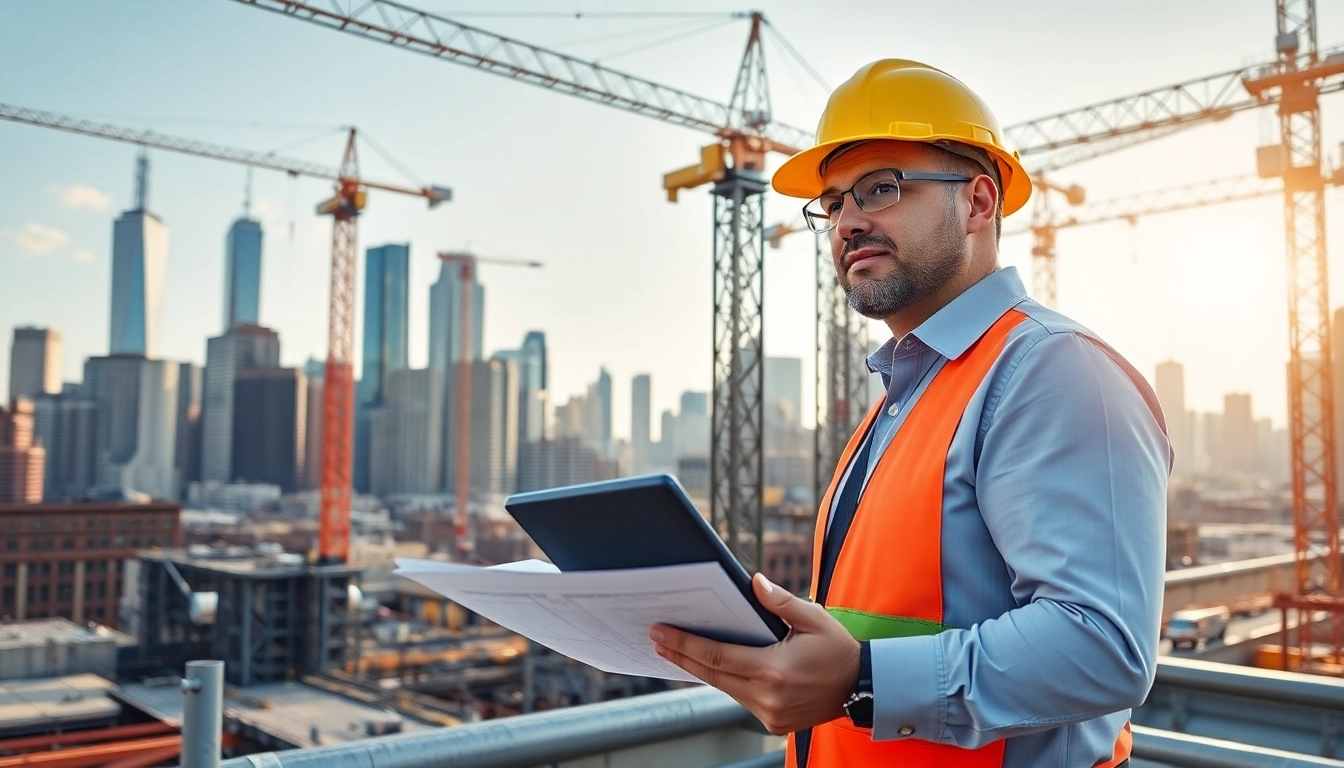
Safety Protocols in Construction Management
Safety is paramount in construction management. A Manhattan Construction Manager is responsible for ensuring that safety protocols are followed meticulously to protect workers and the public.
Establishing Safety Standards
Setting rigorous safety standards helps mitigate risks associated with construction activities. Effective methods include:
- Developing Comprehensive Safety Plans: Creating detailed safety plans that address potential hazards specific to the site.
- Regular Safety Audits: Conducting routine safety inspections to identify and rectify hazards quickly.
Training and Development for Teams
Ongoing training and development for the workforce are crucial for maintaining high safety standards. Essential components include:
- Safety Orientation Sessions: Mandatory training sessions for all new hires to familiarize them with safety protocols.
- Ongoing Education: Providing regular workshops or training sessions to keep safety skills sharp and updated.
Compliance with Regulations
Ensuring compliance with local, state, and federal regulations is crucial to construction project success. Elements include:
- Stay Informed: Regularly updating knowledge of regulatory changes that may affect project practices.
- Documentation: Keeping thorough records of all safety inspections, training sessions, and compliance checks is essential to avoid liability.
Future Trends in Construction Management
As construction continues to evolve, several trends are emerging that will shape the future of construction management. Staying abreast of these trends is essential for success.
Embracing Technology and Innovation
The construction industry is increasingly adopting new technologies that improve efficiency and safety. Key innovations include:
- Drone Surveys: Utilizing drones for site surveys and inspections can save time and provide more accurate assessments.
- Prefabrication: Off-site prefabrication helps streamline the construction process, reducing waste and time on-site.
Sustainable Construction Practices
As sustainability becomes a greater focus, construction managers must prioritize eco-friendly practices. This includes:
- Green Building Materials: Using environmentally friendly materials that reduce the carbon footprint.
- Energy-Efficient Designs: Incorporating designs that minimize energy consumption and maximize resource efficiency.
The Impact of Remote Management Solutions
Remote management solutions are becoming increasingly vital for managing construction projects, especially in urban settings. Advantages include:
- Real-Time Collaboration: Remote tools allow for efficient communication and problem-solving across teams, regardless of location.
- Data Utilization: Analyzing data collected remotely enhances decision-making and operational efficiency.
FAQs
1. What roles does a Manhattan Construction Manager perform?
A Manhattan Construction Manager handles project planning, budgeting, hiring, and supervising construction activities to ensure project success.
2. What skills are important for a Manhattan Construction Manager?
Key skills include leadership, communication, technical knowledge, problem-solving, and time management for effective project execution.
3. How does a Manhattan Construction Manager handle risks?
They identify, assess, and prioritize risks using a risk management strategy, ensuring plans are in place to mitigate potential issues.
4. What are some technologies used in construction management?
Technologies include project management software, Building Information Modeling (BIM), drones for surveying, and communication tools.
5. Why is safety crucial in construction management?
Safety is vital to protect workers and the public, reduce accidents, and ensure compliance with legal and regulatory requirements.