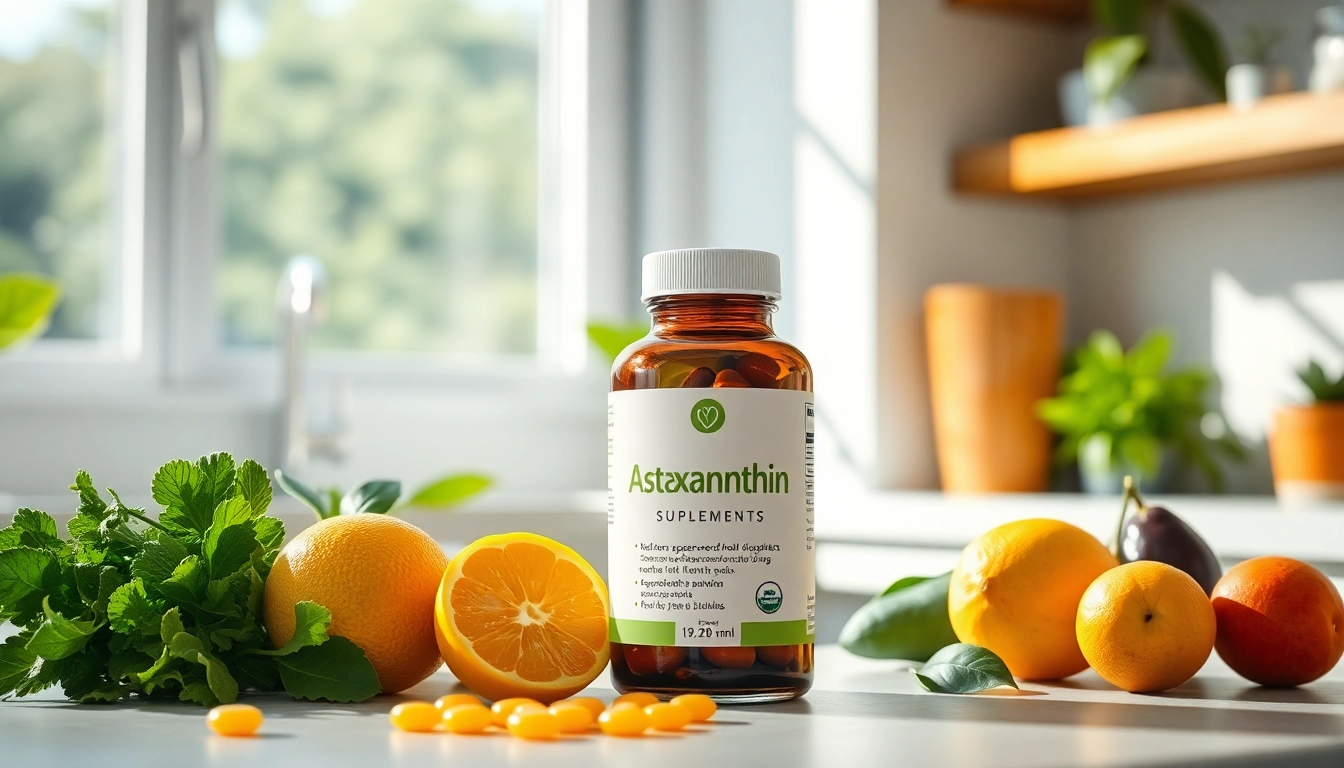
Understanding Astaxanthin and Its Benefits
What is Astaxanthin?
Astaxanthin is a potent antioxidant belonging to the carotenoid family, commonly found in certain algae, yeasts, and seafood, such as salmon and shrimp. Renowned for its vibrant red-orange color, it plays a vital role in protecting marine organisms from environmental stressors. This powerful compound boasts a unique ability to cross the blood-brain barrier, enhancing its potential health benefits. Understanding its various properties can help you appreciate why many consider it a supplement worth incorporating into their daily routine. If you want a comprehensive reference for its dosage, check our astaxanthin dosage guide.
Health Benefits of Astaxanthin
Astaxanthin offers an array of health benefits that researchers are increasingly exploring. Some of the most notable advantages include:
- Anti-inflammatory Properties: Astaxanthin may help reduce inflammation, which is at the root of many chronic diseases.
- Enhanced Skin Health: Studies suggest that astaxanthin improves skin elasticity, hydration, and overall appearance by protecting against UV damage.
- Support for Eye Health: By reducing oxidative stress and inflammation in the eyes, astaxanthin can contribute to better eye health and reduce the risk of age-related vision loss.
- Boost in Athletic Performance: Astaxanthin may enhance stamina and endurance, supporting athletes in their performance through better recovery.
- Cardiovascular Health: By improving blood flow and reducing oxidative stress, astaxanthin may support overall heart health.
Potential Side Effects
Generally recognized as safe, astaxanthin can occasionally cause side effects in sensitive individuals. These may include:
- Digestive upset or changes in stool color.
- Allergic reactions in rare cases.
- Interactions with certain medications, particularly blood thinners.
Consulting a healthcare provider before starting supplementation is strongly advised, particularly for individuals with existing health conditions or those on medication.
Recommended Astaxanthin Dosage Guide
Daily Dosage for Adults
The typical recommended dosage of astaxanthin for adults ranges from 4 mg to 12 mg per day, depending on individual health goals and needs. For general health maintenance, a lower dose may suffice, while higher levels are often deemed beneficial for specific conditions or athletic performance. It's essential to start with a conservative dosage to assess individual tolerability.
Dosage Considerations for Different Age Groups
Aging adults and seniors may require different dosages to address specific health concerns like cognitive decline or joint health. For this demographic, a dosage of 6 mg to 12 mg is frequently recommended. Children typically should avoid supplementation unless advised by a pediatrician.
Addressing Individual Health Needs
Individual health needs dictate astaxanthin dosages. For instance, those battling chronic inflammatory diseases might aim for higher dosages, while an average individual may only need a lower dosage for preventive health. Consulting a healthcare provider based on personal health circumstances ensures tailored guidance.
Astaxanthin Sources: Where to Get It
Natural Food Sources of Astaxanthin
Astaxanthin is predominantly sourced from various foods, especially from marine products. Natural sources include:
- Wild-caught salmon
- Kravese shrimp and crab
- Algae, particularly microalgae like Haematococcus pluvialis
- Seafood like trout and red snapper
Incorporating these foods into your diet can help you obtain astaxanthin naturally, although achieving therapeutic levels through diet alone may be challenging.
Comparing Supplements: What to Look For
When considering astaxanthin supplementation, it’s essential to focus on several factors, including purity, source, and formulation. Algal-derived astaxanthin is often preferred for its bioavailability and sustainability. Look for products that offer full spectrum astaxanthin without unnecessary fillers.
Choosing High-Quality Astaxanthin Products
Choosing high-quality astaxanthin products involves scrutinizing supplier certifications, testing for contaminants, and understanding sourcing and extraction methods. Opt for brands that promote transparency and independent lab testing to guarantee quality and potency.
Combining Astaxanthin with Lifestyle Choices
Healthy Diet Practices
Consumption of astaxanthin should complement a well-rounded diet rich in antioxidants, healthy fats, and low in processed foods. Foods like nuts, seeds, berries, and leafy greens combined with astaxanthin can enhance overall health.
Importance of Regular Exercise
Regular physical activity enhances the effectiveness of antioxidants like astaxanthin. Exercise facilitates blood circulation, aiding in the delivery of nutrients throughout the body and strengthening overall well-being.
Complementary Supplements for Enhanced Benefits
Incorporating other synergistic antioxidants, such as vitamin C and E or coenzyme Q10, can bolster the benefits of astaxanthin. These supplements work by enhancing oxidative stress response and supporting overall cellular health.
FAQs about Astaxanthin Dosage Guide
How much astaxanthin should I take daily?
The typical range for adults is between 4 mg and 12 mg daily, based on individual health needs and goals. Always consult with a healthcare provider for a personalized dosage.
Are there any risks associated with high doses?
High doses can lead to gastrointestinal issues or allergic reactions in some individuals. It is advisable not to exceed documented dosages without medical consultation.
Can I get enough astaxanthin from diet alone?
While certain foods like salmon and algae are rich in astaxanthin, achieving optimal dosages solely through diet is difficult for most individuals; supplementation often becomes necessary.
Is astaxanthin safe for pregnant women?
The safety of astaxanthin during pregnancy is not well-studied. It is crucial for pregnant or nursing women to consult healthcare providers before considering supplementation.
What should I consider before starting astaxanthin?
Consider your overall health, any medications you are currently taking, and consult with a healthcare provider to ensure that astaxanthin is appropriate and beneficial for you.