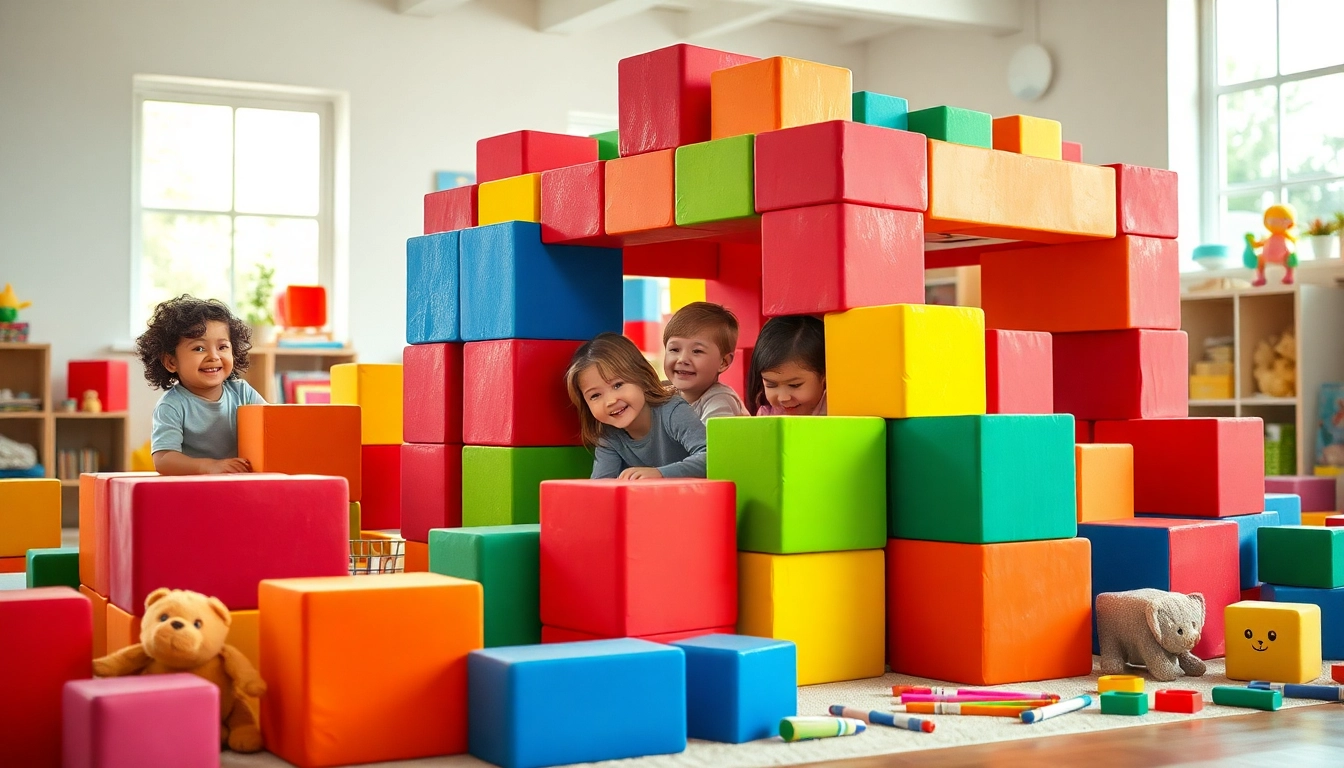
Introduction to Giant Building Blocks
Giant building blocks have emerged as a popular and versatile toy that encourages creativity and engineering skills in children. These oversized building elements allow kids to explore their imagination while engaging in interactive play. Often made from safe, durable materials, giant building blocks offer endless opportunities for fun. If you're eager to dive deeper into this fascinating world, you can discover more about the different types of blocks available and how they can enhance playtime.
What Are Giant Building Blocks?
Giant building blocks are large-scale construction toys designed for children. These blocks can vary widely in size, shape, and material, ranging from soft foam to sturdy plastic. Unlike traditional building blocks, the size of these blocks enables children to construct structures that are much larger than themselves, often fostering a sense of accomplishment as they realize the possibilities of their creations.
Benefits of Play with Giant Blocks
The benefits of giant building blocks extend beyond mere entertainment. They serve as a foundational tool in developing various skills in young children. The benefits include:
- Physical Development: Manipulating large blocks strengthens fine and gross motor skills, as well as hand-eye coordination.
- Cognitive Skills: As children design and build, they engage in problem-solving and critical thinking, honing their ability to plan and strategize.
- Social Interaction: Building with others encourages conversation, negotiation, and collaboration, enhancing social skills.
- Creative Expression: The open-ended nature of giant blocks allows kids to explore their creativity without limitations.
Inspiring Creativity and Imagination
Building Structures Together
Giant building blocks offer unique opportunities for collaborative play. When children build together, they learn about teamwork, sharing responsibility, and valuing each other's ideas. This kind of play nurtures skills such as patience and compromise, which are essential for successful interactions in any group setting. Children can recreate familiar structures like houses or castles or invent entirely new designs, blending personal creativity with group dynamics.
Encouraging Teamwork and Social Skills
As kids collaborate on projects using giant building blocks, they develop crucial social skills. They must communicate their ideas, listen to others, and make joint decisions on construction plans. These interactions not only foster lasting friendships but also imbue children with a sense of community and belonging. The difference between individual play and collective efforts lays the groundwork for skills that will serve them throughout life, from school group projects to workplace collaboration.
Fostering Creative Storytelling through Play
Giant building blocks can serve as a storytelling mechanism, providing a physical space to simulate narratives. Children can create an entire world that reflects their favorite stories, from fantasy realms like fairy-tale castles to everyday settings like a school or grocery store. Through this imaginative play, they can express emotions, understand relationships, and explore complex scenarios, making storytelling versatile and engaging.
Safety Considerations for Indoor Play
Choosing Non-Toxic Materials
When selecting giant building blocks, safety should always be a top priority. Opt for blocks made from non-toxic, BPA-free materials to ensure that they are safe for children. Proper certifications or safety standards should be verified before making a purchase, as not all products maintain the same levels of quality and safety. Always check labels for indications of safety compliance, especially if the blocks are intended for younger children who may be prone to mouthing objects.
Setting Up a Safe Play Environment
Creating an optimal play environment is crucial for safety during indoor use. Ensure that the play area is spacious and free from sharp objects or hard surfaces that could cause injuries. Soft carpets or mats can provide cushioning, making playtime safer. Moreover, designate a specific area in the home solely for building blocks, which helps limit distractions and reduces the likelihood of trips and falls.
Managing Supervision and Participation
While giant building blocks can be played with independently, supervision is vital, especially for younger children. Parents and caregivers should actively engage, offering guidance while allowing children to explore within safe boundaries. Encourage children to build cooperatively under supervision, promoting shared experiences while keeping an eye on safety and constructive play.
Engaging Activities with Giant Blocks
Constructing Themes and Designs
Encouraging themed projects can enhance the fun of building with giant blocks. Consider organizing a “building day” where children can construct structures based on topics, such as historical landmarks or space colonies. This not only makes the activity more engaging but also offers children a thematic focus about which to learn and reinforce educational content through hands-on experience.
Incorporating Educational Elements
Combine giant block play with educational concepts to extract maximum benefit. You can introduce mathematical principles such as measurement, geometry, and balance by challenging children to build certain shapes or calculations using blocks. Furthermore, color recognition, counting, and even basic physics can be introduced through creative building challenges that encourage exploration and reasoning.
Fun Games and Challenges
Games and challenges can elevate the play experience. For example, you can organize building races where kids must construct a specific design within a limited timeframe, encouraging speed and precision. Alternatively, set up a building challenge where children must create structures to withstand “natural disasters” like non-toxic ball drops or gentle shaking, allowing them to understand concepts of stability and support while having fun.
FAQs about Giant Building Blocks
What age group can use giant building blocks?
Giant building blocks are suitable for various ages, typically from toddlers to early elementary school-aged children, promoting learning through play.
How do I clean giant building blocks?
Use a mild detergent and water to clean giant building blocks, ensuring they are rinsed well and dried completely before storage.
Are giant building blocks safe for indoor use?
Yes, many giant building blocks are designed with soft materials or rounded edges, ensuring safety for indoor play. Check for specific safety certifications.
Can giant building blocks be used in outdoor play?
While many giant building blocks are suitable for outdoor use, ensure they are weather-resistant and are brought inside after playing to maintain quality.
What are fun games to play with giant blocks?
Kids can engage in various games such as block tower challenges, creative building contests, or themed storytelling sessions that utilize the blocks.