Understanding Salmorejo: A Creamy Spanish Classic
If you are searching for the best salmorejo near me, you are likely craving the refreshing, velvety, and soul-satisfying taste of this Andalusian classic. While gazpacho is famous worldwide, salmorejo—a richer, creamier cousin from Córdoba, Spain—is the true hidden gem of Spanish cuisine. This guide will not only help you understand this delectable dish but also uncover the best places to enjoy it and even teach you how to make it at home.
What is Salmorejo and Its Origins?
Salmorejo is more than just a dish; it embodies the essence of Spanish culinary culture. Originating from Córdoba, salmorejo is a cold soup that dates back to the 19th century, where it was first documented as a sustenance food for farmers and laborers. The dish’s name is derived from the word "salmorrejo," which refers to a mixture or blend. Traditionally, salmorejo was made by pulverizing stale bread with garlic, vinegar, and olive oil, resulting in a thick, creamy texture that today remains one of its defining characteristics.
Key Ingredients that Make Salmorejo Special
The quality of ingredients used in salmorejo is paramount for achieving the authentic flavor. The main ingredients include:
- Tomatoes: Ripe, juicy tomatoes are essential, as they provide the soup’s base flavor.
- Bread: Stale white bread works best, providing the soup with its creamy consistency.
- Extra Virgin Olive Oil: High-quality olive oil not only adds richness but also helps emulsify the mixture.
- Garlic: A touch of garlic adds depth and complexity to the flavor.
- Sherry Vinegar: This ingredient gives salmorejo its characteristic tang.
The Difference Between Salmorejo and Gazpacho
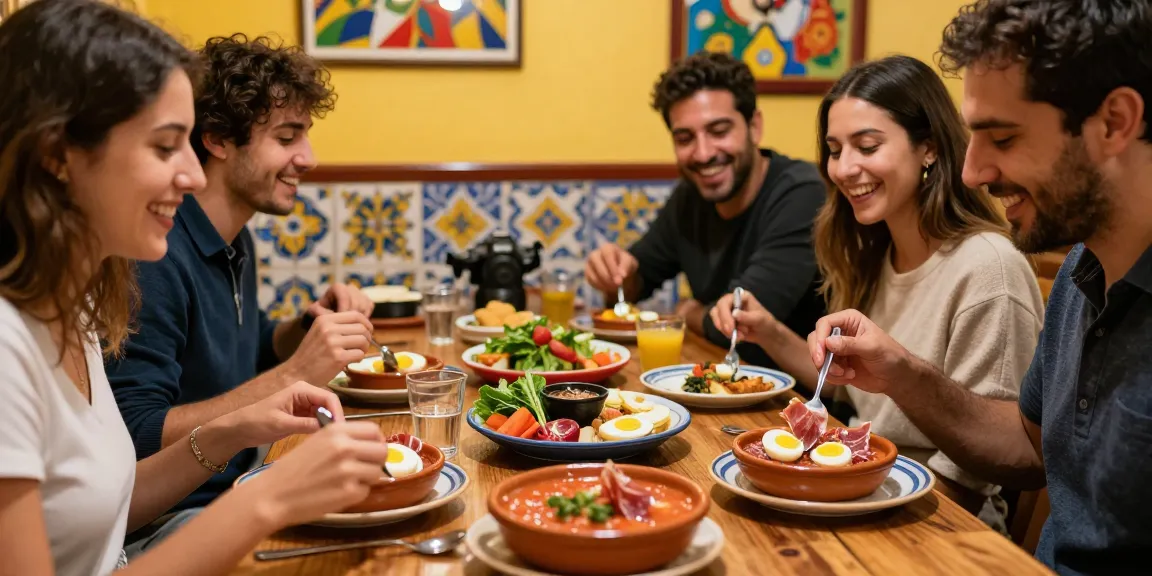
While both dishes are cold soups, they have distinct differences. Gazpacho is generally lighter, made with a variety of vegetables including cucumbers and peppers, resulting in a thinner consistency. In contrast, salmorejo is thicker, creamier, and relies heavily on bread. This difference in ingredients leads to a unique flavor profile, where salmorejo tends to be richer and more fulfilling, often garnished with hard-boiled eggs and jamón serrano.
Finding the Best Salmorejo Near Me: Tips and Strategies
To elevate your culinary experience, finding the right Spanish restaurant that serves authentic salmorejo is crucial. Here are some tips to help you identify and locate the best spots:
How to Identify Authentic Spanish Restaurants
When searching for a restaurant, look for establishments that specialize in traditional Spanish cuisine. Key indicators of authenticity include:
- Menu items that highlight regional specialties, such as salmorejo.
- Staff knowledgeable about Spanish dishes and cooking techniques.
- A decor and ambiance that reflect Spanish culture, enhancing the dining experience.
Utilizing Online Reviews and Recommendations
Online platforms like Yelp, Google Reviews, and TripAdvisor can provide valuable insights into local restaurants. Look for establishments with high ratings and reviews specifically praising their salmorejo. Social media, particularly Instagram, can also be a great resource for visual confirmation of the dish’s presentation and quality.
Local Events and Festivals Featuring Salmorejo
Many cities across the USA host Spanish cultural festivals where salmorejo is featured. Attending these events can provide an opportunity to sample different variations of the dish and discover local restaurants that serve it.
Top Rated Spanish Spots Known for Authentic Salmorejo
Now that you know how to find the best salmorejo, here are some highly recommended Spanish restaurants known for their authentic version of this beloved dish:
Must-Visit Tapas Bars Across the USA
- Casa Mono, New York City: Known for its extensive wine list and traditional fare, this restaurant offers a delightful salmorejo that captures the essence of Andalusian cuisine.
- Bar Spain, Los Angeles: A cozy spot where tapas and salmorejo take center stage. Their creamy version is a favorite among locals.
- La Tasca, Washington D.C: This tapas bar is famous for its authentic Spanish dishes, including a beautifully presented salmorejo.
Hidden Gem Restaurants for True Spanish Flavors
- El Celler de Can Roca, Girona: A Michelin-starred restaurant that occasionally features salmorejo in its seasonal offerings.
- Tapas Brindisa, London: A hidden gem that prides itself on offering authentic flavors from Spain, with a deliciously thick salmorejo.
Customer Favorites: What People Are Saying
Reviews play a crucial role in discovering the best salmorejo. Many diners rave about its velvety texture and balanced flavor profile. Whether it's the rich olive oil or the perfect amount of garlic, these customer favorites are often highlighted in reviews.
Mastering Salmorejo at Home: A Step-by-Step Guide
For those who prefer cooking at home, making salmorejo is simpler than you might think. Here’s how to create this delicious dish from the comfort of your kitchen:
Essential Ingredients for Authentic Flavor
Before you start making salmorejo, gather the following ingredients:
- 1 kg ripe tomatoes
- 200g stale white bread
- 150 ml extra virgin olive oil
- 1-2 cloves of garlic
- 30 ml sherry vinegar
- Salt to taste
- Hard-boiled eggs and jamón serrano for garnishing
Step-By-Step Instructions for Perfect Texture
- Start by blanching the tomatoes in boiling water for about 30 seconds, then transfer them to ice water. Peel the tomatoes and chop them into quarters.
- In a blender, combine the peeled tomatoes, bread, garlic, sherry vinegar, and salt. Blend until smooth.
- While blending, slowly drizzle in the olive oil until the mixture becomes creamy. This is crucial for achieving the desired texture.
- Chill the salmorejo in the refrigerator for at least an hour before serving.
- When ready to serve, garnish with diced hard-boiled eggs and jamón serrano.
Creative Variations and Toppings to Try
While traditional toppings are delightful, consider experimenting with variations:
- Garnish with fresh herbs like basil or mint for a refreshing twist.
- Add diced green apples for a hint of sweetness that complements the savory elements.
- Drizzle with flavored olive oil, or even a balsamic reduction for an upscale taste.
FAQs about Salmorejo: Answers and Insights
Is Salmorejo the Same as Gazpacho?
No, salmorejo is thicker and creamier, using more bread than gazpacho, which is lighter and made with a variety of vegetables.
Why is My Salmorejo Not Creamy?
The secret to creaminess lies in the emulsification process. Ensure you are blending the ingredients slowly and using high-quality olive oil and bread.
Can I Make Salmorejo Vegan?
Absolutely! You can omit the ham and egg toppings and replace them with diced vegetables or nuts for additional flavor.
What Are the Best Pairings for Salmorejo?
Salmorejo pairs beautifully with crusty bread, Spanish wines, or even a refreshing salad. The dish complements various tapas, enhancing the overall dining experience.
How to Properly Store Leftover Salmorejo?
Store any leftovers in an airtight container in the refrigerator for up to three days. When you're ready to enjoy it again, give it a good stir and adjust seasoning if necessary.
Conclusion
Finding the best salmorejo near me is more than just a quest for a delicious dish; it's a journey into the heart of Spanish gastronomy. Whether you discover it at a top-tier local tapas bar or prepare it fresh in your own kitchen, salmorejo showcases the beauty of simple, quality ingredients. Embrace the vibrant, refreshing essence of Córdoba, and enjoy this classic soup that has captivated food lovers around the world.