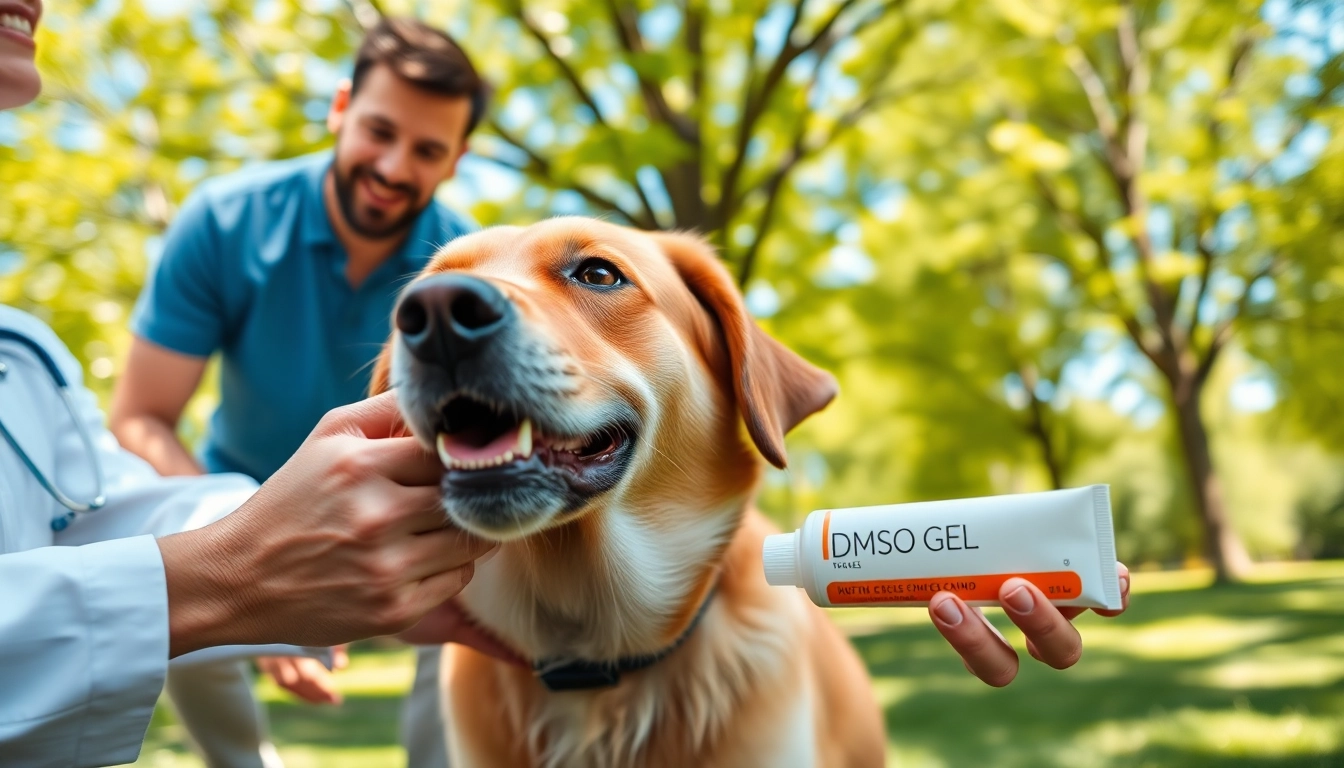
Understanding DMSO for Dogs
Dimethyl sulfoxide, commonly referred to as DMSO, is a chemical compound that has gained attention in both human and veterinary medicine. While its primary use is as a solvent, it has been studied for its anti-inflammatory properties, making it a potential treatment for various ailments in dogs. When considering how DMSO might fit into your dog's health regimen, it’s essential to understand its mechanisms, applications, and safety protocols. Many dog owners are exploring the benefits of dmso for dogs as a natural remedy for pain and healing.
What is DMSO and How Does It Work?
DMSO is a by-product of wood processing and is synthesized for various industrial applications. It is recognized for its ability to penetrate biological membranes, making it an effective topical treatment. When applied to the skin, DMSO can transport other drugs into the system as well. This quality, along with its anti-inflammatory and analgesic properties, forms the basis of its therapeutic use for dogs. Upon application, DMSO is absorbed rapidly, allowing it to reach targeted areas quickly, enabling potential relief from pain and inflammation.
Common Applications of DMSO for Dogs
DMSO is primarily used as a treatment for several conditions affecting dogs. Here are some common applications:
- Arthritis and Joint Pain: DMSO is often used to alleviate chronic pain and inflammation associated with arthritis. Its ability to penetrate deep tissues makes it effective for reducing discomfort in joints.
- Skin Conditions: Conditions like acral lick dermatitis and calcinosis cutis in dogs have shown positive responses to DMSO treatment, helping manage symptoms.
- Injuries: DMSO can support recovery from injuries by reducing inflammation and swelling, making it beneficial post-surgery or trauma.
- Cancer Treatment: In some instances, DMSO is applied to enhance the efficacy of certain chemotherapeutic drugs, particularly when treating skin tumors or damage from chemotherapy.
Why Consider DMSO for Your Dog?
The advantages of using DMSO for dogs extend beyond its ability to reduce pain. Its unique properties offer several compelling reasons for consideration:
- Rapid Absorption: Due to its excellent permeability through the skin, DMSO can deliver treatment directly to the desired location.
- Multi-functional Remedy: DMSO can treat pain, inflammation, and infection, which makes it versatile for various conditions.
- Lower Cost: Compared to many pharmaceuticals, DMSO is relatively inexpensive, providing a cost-effective solution for pet owners.
- Natural Remedy: For those looking for alternative treatments, DMSO offers a more natural approach compared to synthetic medications.
Dosage and Administration Guidelines
How Much DMSO for Dogs Should You Use?
Determining the appropriate dosage of DMSO for dogs is crucial to ensure safety and effectiveness. The usual guideline for topical application is around 0.5 to 1 mL per kilogram of the dog's body weight. However, it is essential to limit total daily doses to avoid potential toxicity. Generally, doses shouldn't exceed 20 grams per day. Always consult your veterinarian before starting treatment to determine a suitable dosage based on your dog's specific needs.
Methods of Application for Dogs
DMSO is primarily applied topically, but the method of application may vary depending on the condition being treated. Here are some common methods:
- Topical Gel or Cream: Applying a thin layer of DMSO gel or cream directly to the affected area can help reduce pain and inflammation.
- Soaked Gauze: For extensive areas or sensitive skin, soaking gauze in DMSO and placing it on the affected area for a short duration may prove effective.
- Direct Application: A few drops directly onto the skin can also work, but ensuring proper dilution and applying it in a controlled manner is essential.
Precautions When Using DMSO for Dogs
While DMSO has benefits, there are also precautions that pet owners need to take:
- Clean the Area: Before applying DMSO, ensure the skin is clean to prevent impurities from being absorbed into the bloodstream.
- Avoid Open Wounds: Do not apply DMSO to open wounds or infected areas, as this can exacerbate the condition or introduce toxins.
- Consult Your Vet: Always consult with a veterinarian regarding the proper dosage and application method to ensure safety and effectiveness.
Potential Benefits of DMSO for Dogs
Reducing Inflammation and Pain
DMSO is widely recognized for its anti-inflammatory properties. This characteristic is especially beneficial for dogs suffering from arthritis, where joint inflammation causes pain and discomfort. By applying DMSO to the affected areas, pet owners often report noticeable improvements in their dog's mobility and overall quality of life.
DMSO for Skin Conditions in Dogs
Skin conditions can be particularly frustrating for pets and their owners. DMSO has shown promise in treating various dermatological issues in dogs. Its ability to penetrate the skin allows it to deliver anti-inflammatory effects directly to the source of irritation. Conditions like allergies, dermatitis, and skin infections may be alleviated with appropriate applications.
Improving Recovery from Injuries
For dogs recovering from injuries or surgeries, timely intervention is crucial. DMSO's anti-inflammatory properties aid in reducing swelling, which can accelerate the healing process. Veterinarians often recommend DMSO to minimize pain and improve mobility in post-operative care.
Side Effects and Considerations
Possible Side Effects of DMSO for Dogs
Though DMSO is generally well-tolerated, some dogs may experience side effects. Common side effects can include:
- Skin Irritation: Some dogs may experience mild irritation at the site of application, including redness or itching.
- Garlic-like Taste: DMSO can impart an unusual taste, which some dogs might notice when licking their skin.
Monitoring your dog's reaction to DMSO is essential, and if significant adverse effects arise, discontinue use and consult your veterinarian.
When Not to Use DMSO for Dogs
DMSO is not suitable for all situations. Avoid using DMSO if:
- Your dog is allergic to sulfonamide drugs.
- There are open wounds or infections on the application site.
- Your dog is pregnant or nursing, as potential effects on the offspring are unclear.
Tips for Monitoring Your Dog's Response
When introducing DMSO into your dog's care regimen, it is important to monitor their response closely. Look for signs of improvement, such as increased mobility and reduced signs of pain. If your dog shows adverse reactions or no improvement within a week, contact your veterinarian.
Frequently Asked Questions about DMSO for Dogs
Is DMSO Safe for Dogs?
Yes, DMSO is generally safe for dogs when used under veterinary supervision. Following dosage instructions is crucial to avoid adverse effects.
Can DMSO Interact with Other Medications?
DMSO can interact with certain medications by enhancing their absorption. Always consult your veterinarian before combining treatments.
How Should DMSO be Stored?
DMSO should be kept in a cool, dark place, away from sunlight and heat sources. Ensure the container is tightly sealed to maintain potency.
Can I Use DMSO on Pregnant Dogs?
It is not recommended to use DMSO on pregnant or nursing dogs due to potential risks to the pups. Consult a veterinarian for alternatives.
What Alternative Treatments Are Available?
Alternatives to DMSO include anti-inflammatory medications, supplements like glucosamine and chondroitin, and acupuncture. Discuss options with your veterinarian.